Hey there! I’m working for a screw chillers supplier, and today I wanna talk about the effects of low suction pressure in screw chillers. It’s a topic that’s super important for anyone using or thinking about buying these chillers, so let’s dive right in. Screw Chillers
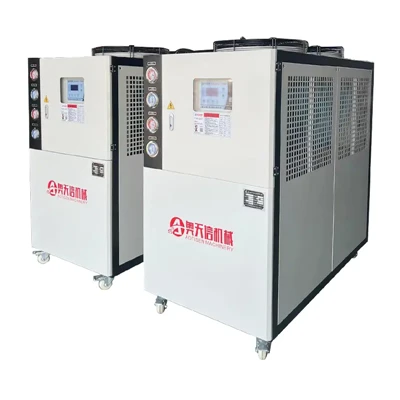
First off, let’s understand what suction pressure is. In a screw chiller, the suction pressure is the pressure at the inlet of the compressor. It’s like the "pull" that the compressor has on the refrigerant vapor. A normal suction pressure is crucial for the chiller to work efficiently and effectively. But when that pressure drops too low, it can spell trouble.
One of the most obvious effects of low suction pressure is reduced cooling capacity. You see, the compressor is the heart of the chiller. It compresses the refrigerant vapor, which then releases heat as it condenses and cools the water or air in the system. When the suction pressure is low, the compressor can’t pull in enough refrigerant vapor. This means there’s less refrigerant available to absorb heat, and the chiller just can’t cool as well as it should. It’s like trying to run a race with a stuffy nose – you’re just not gonna perform at your best.
For example, if you’ve got a screw chiller in a commercial building to cool the air conditioning system, and the suction pressure drops, the building might not get as cool as it should. People inside will start to feel hot and uncomfortable, and it could even affect the performance of sensitive equipment like servers or medical devices that rely on a cool environment.
Another major effect is increased energy consumption. When the suction pressure is low, the compressor has to work harder to try and maintain the right pressure. It’s like pushing a car uphill – the harder you have to push, the more energy you use. In the case of the compressor, it draws more electricity to keep running. This not only drives up your energy bills but also puts more stress on the compressor itself.
Over time, this increased stress can lead to premature wear and tear on the compressor. The compressor’s components, like the screws and bearings, are designed to operate under normal pressure conditions. When the suction pressure is low, these components are subjected to abnormal forces and loads. This can cause them to wear out faster, leading to more frequent breakdowns and costly repairs.
Low suction pressure can also cause problems with the lubrication system in the chiller. The refrigerant in the chiller also acts as a lubricant for the compressor. When the suction pressure drops, the flow of refrigerant through the system can be disrupted. This means that the compressor might not be getting enough lubrication, which can lead to increased friction between the moving parts. Friction generates heat, and too much heat can damage the compressor and other components in the chiller.
In addition, low suction pressure can lead to issues with the expansion valve. The expansion valve is responsible for regulating the flow of refrigerant into the evaporator. When the suction pressure is low, the expansion valve might not be able to function properly. It could either open too wide or too narrow, which can further disrupt the refrigerant flow and the overall operation of the chiller.
Now, you might be wondering what causes low suction pressure in the first place. Well, there are several possible reasons. One common cause is a refrigerant leak. If there’s a leak in the system, the amount of refrigerant in the chiller will decrease, which can lead to low suction pressure. Another cause could be a clogged filter or strainer. If the filter or strainer in the refrigerant line is clogged, it can restrict the flow of refrigerant and cause the suction pressure to drop.
A dirty evaporator can also be a culprit. The evaporator is where the refrigerant absorbs heat from the water or air. If it’s dirty, the heat transfer process won’t be as efficient, and the suction pressure can drop. And sometimes, improper installation or maintenance of the chiller can also lead to low suction pressure.
So, what can you do to prevent low suction pressure and its effects? Regular maintenance is key. Make sure to have your chiller inspected and serviced by a qualified technician on a regular basis. They can check for refrigerant leaks, clean the filters and evaporator, and make sure all the components are working properly.
It’s also important to choose the right chiller for your needs. As a screw chillers supplier, we can help you select the chiller that’s the best fit for your application. We’ve got a wide range of chillers with different capacities and features, so you can get exactly what you need.
And if you’re already experiencing low suction pressure in your chiller, don’t panic. Our team of experts can diagnose the problem and come up with a solution. We’ve got the knowledge and experience to get your chiller back up and running in no time.
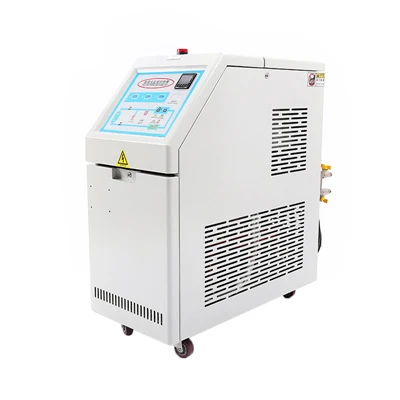
If you’re in the market for a new screw chiller or need help with your existing one, don’t hesitate to reach out. We’re here to provide you with the best products and services. Whether you’ve got questions about low suction pressure or any other aspect of screw chillers, we’re just a call or an email away. Let’s work together to keep your cooling system running smoothly.
Chiller Unit References
- ASHRAE Handbook – Refrigeration. American Society of Heating, Refrigerating and Air – Conditioning Engineers.
- Screw Compressor Technology Manuals from major compressor manufacturers.
Kunshan Aotianxin Machinery Co., Ltd.
We’re well-known as one of the most reliable screw chillers manufacturers in China. With abundant experience, our factory offer high quality screw chillers made in China with low price. If you have any enquiry about quotation and free sample, please feel free to email us.
Address: 550 Shengguang Road, Bacheng Town, Kunshan City, Jiangsu Province
E-mail: 1516722561@qq.com
WebSite: https://www.atxks.com/
