In the intricate world of laboratory management, ventilation stands as a cornerstone of safety and functionality. Laboratories, whether they are engaged in chemical research, biological studies, or other scientific endeavors, generate a variety of hazardous substances, including toxic gases, fumes, and particulate matter. Effective ventilation systems are crucial for removing these contaminants from the air, protecting the health of laboratory personnel, and ensuring the accuracy of experimental results. As a supplier of Flexible PVC Air Ducts, I am frequently asked whether these ducts can be used in laboratory ventilation. In this blog post, I aim to provide a comprehensive answer to this question by exploring the characteristics of flexible PVC air ducts, the requirements of laboratory ventilation systems, and the potential applications and limitations of using flexible PVC air ducts in laboratories. Flexible PVC Air Duct
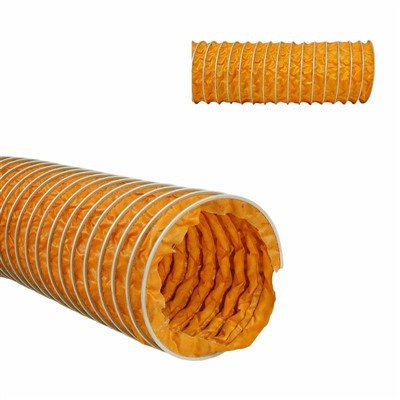
Characteristics of Flexible PVC Air Ducts
Flexible PVC air ducts are made from polyvinyl chloride (PVC), a synthetic plastic polymer known for its versatility and durability. These ducts are reinforced with a helix-shaped wire, which provides structural support and allows the duct to maintain its shape while still being flexible enough to bend and maneuver around obstacles. The key characteristics of flexible PVC air ducts include:
- Flexibility: As the name suggests, flexible PVC air ducts are highly flexible, making them easy to install in tight spaces and around corners. This flexibility also allows for easy adjustments to the ventilation system layout, which can be beneficial in laboratories where the equipment and workspace may change over time.
- Lightweight: PVC is a lightweight material, which makes the ducts easy to handle and transport. This can be particularly advantageous in laboratory settings, where the installation of ventilation systems may require working at heights or in confined spaces.
- Resistance to Chemicals: PVC is resistant to many chemicals, including acids, alkalis, and solvents. This property makes flexible PVC air ducts suitable for use in laboratories where they may come into contact with a variety of chemical substances.
- Smooth Interior Surface: The interior surface of flexible PVC air ducts is smooth, which helps to reduce air resistance and improve the efficiency of the ventilation system. This can result in lower energy consumption and better overall performance.
- Cost-Effective: Compared to other types of air ducts, such as metal or fiberglass ducts, flexible PVC air ducts are generally more cost-effective. This makes them an attractive option for laboratories on a budget.
Requirements of Laboratory Ventilation Systems
Before considering the use of flexible PVC air ducts in laboratory ventilation, it is important to understand the specific requirements of laboratory ventilation systems. These requirements are designed to ensure the safety and well-being of laboratory personnel, as well as the integrity of the experiments being conducted. The key requirements of laboratory ventilation systems include:
- Containment of Hazardous Substances: Laboratory ventilation systems must be capable of effectively containing and removing hazardous substances from the air. This includes toxic gases, fumes, and particulate matter generated during experiments. The ducts used in the ventilation system must be able to withstand the chemical and physical properties of these substances without degrading or releasing contaminants into the environment.
- Airflow Control: Proper airflow control is essential for maintaining a safe and healthy laboratory environment. The ventilation system must be able to provide sufficient airflow to remove contaminants from the air and prevent their accumulation. The ducts must be designed and installed in a way that minimizes air leakage and ensures uniform airflow throughout the system.
- Fire Resistance: Laboratories often use flammable materials and equipment, which increases the risk of fire. The ventilation system must be designed to prevent the spread of fire and smoke in the event of an emergency. The ducts used in the ventilation system must be made of fire-resistant materials or have a fire-resistant coating.
- Noise Reduction: Laboratory ventilation systems can generate a significant amount of noise, which can be a distraction to laboratory personnel and affect the accuracy of experimental results. The ducts used in the ventilation system must be designed to reduce noise levels and provide a quiet working environment.
- Compliance with Regulations: Laboratory ventilation systems must comply with a variety of regulations and standards, including local building codes, environmental regulations, and safety standards. The ducts used in the ventilation system must meet or exceed these requirements.
Potential Applications of Flexible PVC Air Ducts in Laboratories
Based on their characteristics and the requirements of laboratory ventilation systems, flexible PVC air ducts can be used in a variety of laboratory applications. Some of the potential applications of flexible PVC air ducts in laboratories include:
- General Ventilation: Flexible PVC air ducts can be used for general ventilation in laboratories, where they are used to remove contaminants from the air and maintain a healthy working environment. These ducts can be installed in the ceiling, walls, or floor of the laboratory and connected to the ventilation system.
- Exhaust Hood Ventilation: Exhaust hoods are used in laboratories to capture and remove hazardous substances generated during experiments. Flexible PVC air ducts can be used to connect the exhaust hood to the ventilation system, allowing the contaminants to be safely removed from the laboratory.
- Fume Cabinet Ventilation: Fume cabinets are used in laboratories to provide a controlled environment for handling hazardous substances. Flexible PVC air ducts can be used to connect the fume cabinet to the ventilation system, ensuring that the contaminants are effectively removed from the cabinet.
- Ventilation of Equipment: Some laboratory equipment, such as ovens, dryers, and autoclaves, generate heat and fumes during operation. Flexible PVC air ducts can be used to ventilate this equipment, preventing the buildup of contaminants in the laboratory.
Limitations of Using Flexible PVC Air Ducts in Laboratories
While flexible PVC air ducts offer many advantages for laboratory ventilation, they also have some limitations that need to be considered. Some of the limitations of using flexible PVC air ducts in laboratories include:
- Limited Temperature Resistance: PVC has a limited temperature resistance, which means that flexible PVC air ducts may not be suitable for use in laboratories where high temperatures are involved. For example, if the laboratory uses equipment that generates temperatures above the recommended operating temperature of the PVC ducts, the ducts may become deformed or damaged, reducing their effectiveness.
- Flammability: Although PVC can be made fire-resistant, standard flexible PVC air ducts are flammable. In laboratories where there is a high risk of fire, such as those using flammable chemicals or equipment, it is important to use fire-resistant ducts or install additional fire protection measures.
- Chemical Compatibility: While PVC is resistant to many chemicals, it may not be compatible with all chemicals used in laboratories. Some chemicals, such as certain solvents and strong oxidizing agents, may cause the PVC to degrade or release harmful substances. Before using flexible PVC air ducts in a laboratory, it is important to ensure that they are compatible with the chemicals used in the facility.
- Durability: Flexible PVC air ducts may be less durable than other types of air ducts, such as metal or fiberglass ducts. They may be more prone to damage from physical impact, abrasion, or exposure to sunlight. In laboratories where the ducts are likely to be subjected to harsh conditions or frequent movement, it may be necessary to choose a more durable type of duct.
Making the Right Decision
When deciding whether to use flexible PVC air ducts in laboratory ventilation, it is important to consider the specific needs and requirements of the laboratory. The following factors should be taken into account:
- Nature of the Experiments: The type of experiments conducted in the laboratory will determine the type of contaminants that need to be removed from the air and the temperature and chemical conditions that the ducts will be exposed to. If the experiments involve high temperatures or the use of aggressive chemicals, it may be necessary to choose a more heat-resistant or chemically compatible type of duct.
- Laboratory Layout: The layout of the laboratory will also affect the choice of air ducts. If the laboratory has a complex layout or limited space, flexible PVC air ducts may be a good choice due to their flexibility and ease of installation. However, if the ducts need to be installed in a high-traffic area or where they are likely to be damaged, a more durable type of duct may be required.
- Budget: Cost is always a consideration when choosing air ducts for a laboratory ventilation system. Flexible PVC air ducts are generally more cost-effective than other types of air ducts, which may make them a good choice for laboratories on a budget. However, it is important to balance cost with performance and durability to ensure that the ducts meet the requirements of the laboratory.
Conclusion
In conclusion, flexible PVC air ducts can be a viable option for laboratory ventilation in many applications. Their flexibility, lightweight, chemical resistance, smooth interior surface, and cost-effectiveness make them an attractive choice for laboratories. However, it is important to consider the limitations of using flexible PVC air ducts, such as their limited temperature resistance, flammability, chemical compatibility, and durability. By carefully evaluating the specific needs and requirements of the laboratory, it is possible to determine whether flexible PVC air ducts are the right choice for the ventilation system.
Multilayer PVC Pipe As a supplier of Flexible PVC Air Ducts, I am committed to providing high-quality products and professional advice to our customers. If you are considering using flexible PVC air ducts in your laboratory ventilation system, or if you have any questions or concerns about our products, please feel free to contact us for further information and to discuss your specific requirements. We look forward to the opportunity to work with you and help you create a safe and efficient laboratory environment.
References
- American Society of Heating, Refrigerating and Air-Conditioning Engineers (ASHRAE). (2019). Laboratory Ventilation Standard 110.
- Occupational Safety and Health Administration (OSHA). (2012). Laboratory Safety Standards.
- National Fire Protection Association (NFPA). (2018). NFPA 45: Standard on Fire Protection for Laboratories Using Chemicals.
Address: NO.5 CHENGDONG ECOLOGICAL INDUSTRIAL ZONE, DONGYANG, ZHEJIANG, CHINA.
E-mail: sales@hstube.com
WebSite: https://www.ductword.com/
