Hey there! I’m an indoor digital signage supplier, and I’ve been in this game for quite a while. Over the years, I’ve learned that there are a bunch of legal considerations when it comes to indoor digital signage. In this blog, I’m gonna share some of the key points you need to keep in mind. Indoor Digital Signage

Copyright and Content Licensing
First up, let’s talk about copyright. When you’re using indoor digital signage, you gotta be super careful about the content you display. You can’t just throw up any image, video, or text you find on the internet. That’s a big no – no!
If you want to use copyrighted material, you need to get the proper licenses. For example, if you’re planning to show a movie trailer on your digital signage in a shopping mall, you need to get permission from the movie studio. The same goes for music. You can’t play a popular song in the background of your digital ad without a license.
There are different types of licenses available. Some are for personal use, while others are for commercial use. As an indoor digital signage supplier, I always tell my clients to double – check the licensing terms. It might seem like a hassle, but it can save you from some serious legal trouble down the road.
There are also public domain materials that you can use freely. These are works whose copyright has expired, or they were never copyrighted in the first place. But make sure you do your research to confirm that the material is truly in the public domain.
Privacy Laws
Privacy is a hot topic these days, and it’s definitely a legal consideration for indoor digital signage. If your digital signage uses cameras or other data – collecting devices, you need to follow privacy laws.
For instance, in some places, if you’re using cameras to track the movement of people in a store for analytics purposes, you have to inform the customers. You can’t just secretly record them. You need to put up clear signs saying that you’re using cameras and explain how you’re going to use the data.
You also need to ensure the security of the data you collect. If there’s a data breach, it can lead to big problems for your business. You could face legal action and damage your reputation. So, if you’re using any kind of data – collection with your indoor digital signage, make sure you have a solid privacy policy in place and that you’re following all the relevant laws.
Advertising Regulations
When you’re using indoor digital signage for advertising, you have to follow advertising regulations. These regulations can vary from country to country and even from state to state.
One of the main rules is that your ads have to be truthful and not misleading. You can’t make false claims about a product or service. For example, if you’re advertising a new weight – loss product on your digital signage, you can’t say it will make people lose 10 pounds in a week if that’s not true.
You also need to be careful about the way you target your ads. There are laws against discriminatory advertising. For example, you can’t target ads only towards a certain race, gender, or age group in a discriminatory way.
Another important thing is disclosure. If there are any limitations, terms, or conditions related to the product or service you’re advertising, you need to disclose them clearly. For example, if you’re advertising a discount, you need to say what the original price was, how long the discount lasts, and any other relevant details.
Zoning and Placement
The zoning and placement of your indoor digital signage also matter from a legal perspective. In some buildings or areas, there are specific rules about where you can place your digital signs.
For example, in a commercial building, the management might have rules about the size, brightness, and location of digital signage. You can’t just put up a huge, super – bright sign in a place where it’s going to cause a distraction or block the view.
In some public areas, there are zoning laws that restrict the type of signage you can use. You need to check with the local authorities to make sure your indoor digital signage complies with all the relevant zoning regulations. If you don’t, you could get fined or even be forced to remove the signage.
Accessibility
Accessibility is another legal consideration. Your indoor digital signage should be accessible to everyone, including people with disabilities.
For example, if you’re displaying videos on your digital signage, you need to provide closed – captioning for people who are deaf or hard of hearing. If your signage has a lot of text, it should be in a large enough font and in a color that’s easy to read.
There are accessibility standards in many countries, such as the Americans with Disabilities Act (ADA) in the United States. Failing to comply with these accessibility standards can lead to legal action and negative publicity.
Trademark Issues
Trademark issues can also pop up when it comes to indoor digital signage. If you’re using a logo or a brand name on your signage, you need to make sure you have the right to use it.
You can’t use a well – known brand’s logo to promote your own product or service without permission. That’s trademark infringement. For example, if you’re in a coffee shop and you put up a digital sign with the Starbucks logo trying to sell your own coffee, that’s a big legal no – no.
You should also be careful when creating your own brand for your indoor digital signage content. Make sure your brand name and logo don’t infringe on someone else’s trademark. Do a trademark search before you finalize your brand identity.
Contractual Obligations
If you’re working with clients as an indoor digital signage supplier, you need to have clear contracts. These contracts should outline the scope of work, payment terms, and the rights and responsibilities of both parties.
For example, in the contract, you should clearly state who owns the content that’s going to be displayed on the digital signage. Is it the client, or does it belong to you? You also need to have provisions for what happens if either party breaches the contract.
A well – written contract can help prevent misunderstandings and legal disputes down the road. Make sure you have a lawyer review your contracts to ensure they’re legally sound.
Conclusion
As you can see, there are a whole bunch of legal considerations for indoor digital signage. From copyright and privacy to advertising regulations and accessibility, it’s important to stay on top of all these things.
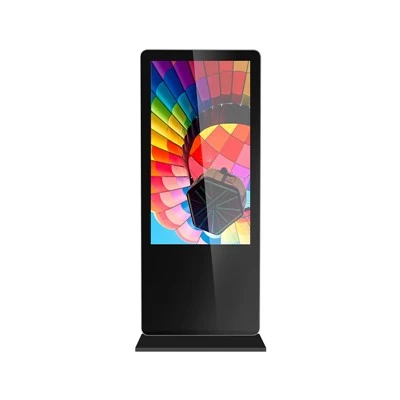
If you’re in the market for indoor digital signage and want to make sure you’re on the right side of the law, I’m here to help. I’ve got the experience and knowledge to guide you through the whole process. Whether it’s choosing the right content, complying with regulations, or creating a solid contract, I’ve got your back.
Indoor Digital Signage If you’re interested in working with an indoor digital signage supplier who understands these legal considerations, don’t hesitate to reach out. Let’s have a chat about your needs and how we can create the perfect indoor digital signage solution for you.
References
- Advertising Law Handbook: A Guide to the Federal Trade Commission’s Advertising Rules and Regulations
- Copyright Law Basics: Understanding Intellectual Property Rights
- The Americans with Disabilities Act (ADA) Handbook
- Trademark Manual of Examining Procedure (TMEP)
Shanghai Vestouch Electronics Co., Ltd.
We are one of the most professional indoor digital signage manufacturers and suppliers in China, also support customized service. Please feel free to wholesale bulk advanced indoor digital signage in stock here from our factory. Welcome to contact us for quotation.
Address: Building 8, No.1098 Chuansha Road, Pudong New Area, Shanghai.
E-mail: yihong@vestouch.com
WebSite: https://www.cnvestouch.com/
