Hey there! As a supplier of rubber expansion joints, I get this question a lot: “Which is better, a rubber expansion joint or a metal expansion joint?” Well, it’s not a one – size – fits – all answer. There are a bunch of factors that go into deciding which type of expansion joint is the best fit for your project. So, let’s dive in and take a closer look at both of these options. Rubber Expansion Joint
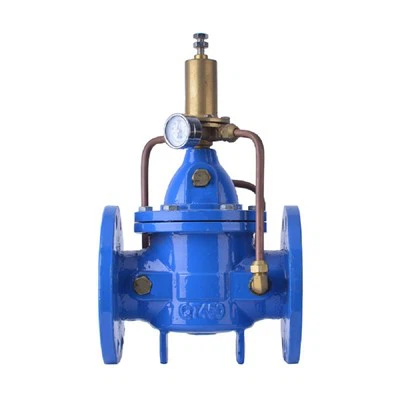
First off, let’s talk about what expansion joints are and why they’re important. In piping systems, machinery, and other industrial applications, things tend to move. They expand when it gets hot and contract when it cools down. Vibration and movement can also occur due to equipment operation. Expansion joints are designed to absorb these movements, reduce stress on the system, and prevent damage.
Rubber Expansion Joints
I’m in the rubber expansion joint game, so I’ve got a lot to say about them. Rubber expansion joints are made from various types of rubber compounds, such as neoprene, EPDM, and nitrile. These rubber materials have some awesome properties that make them great for many applications.
One of the biggest advantages of rubber expansion joints is their flexibility. Rubber can bend and stretch in multiple directions, which means it can handle a wide range of movements. Whether it’s axial movement (in – line expansion and contraction), lateral movement (side – to – side), or angular movement (bending), rubber expansion joints can usually cope with it. This makes them a top choice for systems where there’s a lot of dynamic movement.
Another plus is their ability to dampen vibration and noise. Rubber is a great shock absorber, so it can reduce the noise and vibration that gets transmitted through a piping system. This is really important in places like hospitals, hotels, and residential buildings where a quiet environment is crucial. Also, in industrial settings, it can help protect equipment from the damage that excessive vibration can cause.
Rubber expansion joints are also corrosion – resistant. Unlike metal, rubber doesn’t rust or corrode when exposed to water or certain chemicals. This makes them suitable for use in water treatment plants, the food and beverage industry, and other applications where corrosion is a concern. And they’re relatively easy to install and maintain. They don’t require any special welding or complex installation procedures like some metal expansion joints do. You can just bolt them in place in most cases, which saves time and money.
However, rubber expansion joints do have their limitations. They usually have a lower pressure and temperature rating compared to metal expansion joints. In high – temperature or high – pressure applications, the rubber can degrade over time, losing its flexibility and strength. So, if you’re dealing with extremely hot fluids or high – pressure steam, rubber might not be the best choice.
Metal Expansion Joints
Metal expansion joints, on the other hand, are typically made from stainless steel, carbon steel, or other metal alloys. These joints are known for their high strength and durability.
When it comes to high – pressure and high – temperature applications, metal expansion joints really shine. They can withstand much higher pressures and temperatures than rubber expansion joints. So, in power plants, refineries, and other industries where extremely hot and high – pressure fluids are involved, metal expansion joints are often the go – to option.
Metal expansion joints also have a long service life. They’re very resistant to wear and tear, and they can handle harsh environments. For example, in outdoor installations where the joints are exposed to the elements, metal can stand up well to the sun, rain, and wind.
But there are some downsides to metal expansion joints too. They’re not as flexible as rubber expansion joints. They mainly handle axial movement and might struggle with complex multi – directional movements. Also, metal is a conductor of heat and electricity, which means it can transfer heat and electrical currents through the system. In some applications, this might not be desirable. And installation of metal expansion joints can be more complicated, usually requiring welding, which means you need skilled workers and proper safety measures.
So, Which One Is Better?
Well, it all depends on your specific needs. If you’re working on a project where flexibility, vibration dampening, and corrosion resistance are key, and you don’t need to deal with extremely high pressures or temperatures, then a rubber expansion joint is probably the better choice. For example, in a building’s plumbing system or a chilled water system, rubber expansion joints are usually a great fit.
On the other hand, if you’re in a high – pressure, high – temperature environment like an industrial plant or a power generation facility, a metal expansion joint might be more suitable. Metal’s strength and durability can handle the tough conditions and keep your system running smoothly.
Let’s look at some real – world examples to make this clearer. In a hospital’s HVAC system, rubber expansion joints are ideal. They can absorb the movement of the pipes due to temperature changes, reduce vibration and noise, and are resistant to the chemicals used in the water treatment process. In contrast, in an oil refinery’s high – pressure steam lines, metal expansion joints are necessary because of the high temperatures and pressures involved.
As a rubber expansion joint supplier, I can tell you that we’ve seen a wide range of applications where our products have worked really well. We’ve helped customers in the food industry keep their processing lines running smoothly, and in residential plumbing projects to reduce noise and prevent leaks. But I also understand that there are times when metal is the better option. It’s all about matching the right expansion joint to the right application.
Final Thoughts
Choosing between a rubber expansion joint and a metal expansion joint is a crucial decision for any project. You need to consider factors like temperature, pressure, movement type, corrosion resistance, and installation requirements. If you’re still not sure which type of expansion joint is right for you, don’t hesitate to reach out. I’ve got a team of experts who can help you analyze your specific situation and recommend the best solution.
If you think a rubber expansion joint might be the way to go for your project, we’re here to support you every step of the way. We offer high – quality rubber expansion joints at competitive prices. Whether you need a small quantity for a DIY project or a large order for an industrial installation, we can meet your needs.
Flange So, if you’re ready to start discussing your expansion joint requirements or have any questions, just get in touch. We’re always happy to talk about how our rubber expansion joints can fit your project and help you save time and money in the long run.
References
- “Handbook of Piping Design and Engineering” by Krishna P. Sinha
- “Industrial Piping and Pipeline Engineering” by Tippala Venkata Rao
- Multiple industry journals on the topic of expansion joints and their applications in diverse industries.
Shanxi Yuanhang Machinery Construction Industry and Trade Co., Ltd.
We’re well-known as one of the most experienced rubber expansion joint manufacturers in China. With a professional production team, we are able to meet the needs of the majority of our customers. Welcome to buy discount rubber expansion joint in stock here from our factory. Contact us for pricelist and free sample.
Address: Taiyuan City, Shanxi Province
E-mail: anzhiyuan@yhmadeinprc.com.cn
WebSite: https://www.yhmadeinprc.com/
