If you’ve ever spent time comparing PVC bathroom cladding panels for a project—whether you’re a homeowner renovating your ensuite, a general contractor finishing out a multi-unit development, or a designer sourcing materials for a commercial space—you’ve probably asked this question at some point: Do PVC bathroom cladding panels have a consistent pattern repeat? It’s a small question, but one that can have a big impact on the final look of your space. As a supplier of PVC bathroom cladding panels, I get this query at least three times a week, and the answer isn’t as straightforward as you might think. Let me break this down with the hands-on, real-world knowledge I’ve gained over 12 years in the industry, skipping the technical jargon to give you the straight story. PVC Bathroom Cladding Panels

First, let’s start with what “pattern repeat” actually means, because that’s where a lot of confusion creeps in. For anyone new to the term, a pattern repeat is the distance along a panel (or across its width) where a decorative design—like a stone tile finish, wood grain, marble veining, or geometric motif—starts over again. If a pattern has a 24-inch vertical repeat, for example, that means every 24 inches from the top of the panel, you’ll see an identical section of the design. For bathrooms, consistency here matters most because these panels are installed in long runs: you might be covering an entire wall that’s 10 feet wide and 8 feet tall, made up of three horizontal panels. If the pattern doesn’t line up between panels, you end up with messy breaks, gaps in the design, and a look that feels unprofessional, even cheap.
Now, to answer the core question: Most high-quality PVC bathroom cladding panels from reputable suppliers do have a consistent, controlled pattern repeat—but that’s not universal, and there are caveats. Let’s get into why that is, starting with how these panels are manufactured. PVC cladding panels are made in two primary ways that determine how their pattern is applied: roll coating and direct digital printing.
Roll coating is the older, more traditional method, but it’s still used for many standard designs, like simple wood grains or subtle stone finishes. The process works like this: a large roll of PVC base material is fed through a series of rollers that apply layers of ink and a top protective coating. The key here is that the pattern is applied continuously along the length of the roll. For roll coating, the pattern repeat is set during the design and roller-making process, so it is consistent across every panel cut from that same roll. For example, if a panel has a 16-inch vertical pattern repeat, every panel made from that production run will have that exact same repeat. The downside? Roll coating works best for linear, repeating designs; it’s not great for complex, organic patterns that need to look natural, like a random marble or a weathered wood grain. That’s where direct digital printing comes in.
Direct digital printing is the newer method that’s taken over the premium end of the PVC cladding market over the last decade. Instead of rollers, large inkjet printers spray tiny droplets of ink directly onto the PVC surface, layer by layer, to create ultra-realistic, lifelike designs. This is how we get panels that look identical to natural slate, reclaimed oak, or even textured tile with subtle variations that mimic real stone. The big question here is: does this method deliver a consistent pattern repeat? Short answer: yes, but there’s a catch. Unlike roll coating, where the pattern is fixed to a set repeat, digital printing allows for adjustable repeats, and some manufacturers (even some reputable ones) cut corners by skipping consistent patterning to save on ink or production time. Wait, hold on—let me clarify that. “Skipping consistent patterning” doesn’t mean the design is random. It means some digital printed panels use what’s called a “loose repeat” where the pattern shifts slightly every few panels, or doesn’t have a set, measurable repeat at all. For example, a marble veining design might have a natural, organic flow, but a high-quality version will still have a consistent vertical repeat—say, every 20 inches, a section of veining will mirror exactly, so when you line panels up, the veining doesn’t look disjointed. A cheap version might have veining that’s unique on every panel, so when you install them, you end up with a messy, mismatched look that screams low-quality.
This is where my experience as a supplier comes in, because I’ve seen firsthand how inconsistent manufacturers cut costs here. A few years back, a general contractor reached out to us frustrated because he’d bought a batch of PVC bathroom cladding from a big-box supplier for a 20-unit apartment complex. He’d installed three panels on a bathroom wall, and the wood grain pattern didn’t line up at all—some panels had knots on the right side, some on the left, and the grain flow shifted so much that every wall looked off. When he contacted the supplier, they said it was “organic variation” of the wood grain, but when he pulled a spare panel from the box, the next one had the same knot on the opposite side, meaning there was no pattern repeat at all. The problem? That supplier had used a digital printer that didn’t lock in a consistent repeat, so they could print more panels per hour, cutting their production time by 15%—but leaving the customer with a product that was unfit for professional use.
On our end, we’ve never done that. For all our PVC bathroom cladding panels, whether roll coated or digital printed, we run every production run with a strict, controlled pattern repeat. Here’s how that works in practice. First, our design team works with a pattern manufacturer to create every decorative design with a precise, measurable repeat—for wood grain, that’s usually 18 to 24 inches vertical; for stone patterns, it’s 20 to 28 inches, depending on the complexity of the design. Then, for roll coated panels, we test the pattern across 10 panels cut from the same roll to confirm the repeat is exact, within 1/8 of an inch. For digital printed panels, we use a registration mark system that locks the printer into the exact repeat, so every panel coming off the line has an identical pattern section. We also hold every finished panel to a consistency check: when we pack a box of panels for a customer, we arrange them in the order they were printed, so the pattern lines up perfectly when installed.
But here’s the thing: even with consistent pattern repeats, there are two exceptions you need to know about, because not all projects can use a locked repeat. First, if a customer is using PVC cladding panels for a full wall run that’s longer than the panel’s length, you can still get consistency, but you have to plan the layout. For example, if a panel is 8 feet tall (a standard height for bathroom walls) and has a 24-inch vertical pattern repeat, every 8-foot panel will have three full repeat cycles. If you have a 16-foot wall, you can use two full panels, and the pattern will line up perfectly between them. The confusion comes when people mix vertical and horizontal installation—wait, no, most people install these panels horizontally, right? Wait, actually, some people do install them vertically, depending on the look they want. Either way, the same rule applies: measure the wall, match the panel’s repeat to your layout, and you’ll get consistency.
The second exception is what’s called “random natural patterns.” Some PVC cladding designs are specifically made to mimic truly random materials, like river rock or unprocessed stone, where a perfect pattern repeat would look fake. For these, we still control the variation—meaning the difference between panels is subtle, not extreme—so it looks natural without being disjointed. For example, our river rock design has a variation tolerance of less than 10% between panels, so when you line them up, the rocks don’t look mismatched, but they don’t have a hard, fake repeat either. That’s a balance we’ve worked hard to get right, because we know some customers want that organic, authentic look without the messy inconsistency.
Now, let’s talk about what this means for you, the buyer. If you’re comparing PVC bathroom cladding panels, don’t just ask if they have a pattern repeat—ask for the specific repeat size, and ask to see physical panels from the same production run. Any reputable supplier should be able to send you samples, and when you lay three or four samples side by side, you should be able to spot a consistent pattern. If the patterns look completely different, or if you can’t line them up without gaps in the design, that’s a red flag. I’ve had customers tell me they trusted a cheaper supplier, only to end up redoing entire walls because the panels didn’t line up—costing them thousands of dollars in labor. That’s not the kind of mistake you want to make in a bathroom, where the design is a focal point.
Another thing to consider: the quality of the PVC material itself can affect pattern consistency, too. If the base PVC sheet is warped or has uneven thickness, when you apply the pattern or install the panel, the pattern can stretch or shift slightly. We use 100% virgin PVC for all our cladding panels, not recycled PVC, because recycled PVC often has inconsistencies in thickness that throw off pattern alignment. That’s another small detail that makes a big difference in the final look.
I want to be transparent here, too—no supplier can guarantee a perfect pattern repeat 100% of the time, because manufacturing has minor natural variations. For example, a printer might have a tiny ink shift that’s less than 1/16 of an inch, which is barely noticeable to the naked eye, even on a close-up wall. The key is that these variations are minimal and not visible during normal use. Any shift larger than that is a defect, and we replace any panels that fall outside our quality standards, no questions asked.
Over the years, I’ve worked with hundreds of customers, from homeowners doing a single bathroom renovation to large construction companies with projects across the country, and the feedback we get most often is about pattern consistency. One of our repeat customers is a luxury home builder in Florida, who uses our PVC cladding for all their bathroom and poolside projects because they know they can count on the pattern lining up. Last year, they reached out to say they’d switched to a competitor once for a small project, and the problem with the pattern repeat on that job ended up costing them $12,000 to fix. That’s the kind of risk that comes with buying cheap, inconsistent panels.
So, to circle back to the original question: Do PVC bathroom cladding panels have a consistent pattern repeat? The short, practical answer is: the good ones do, and the bad ones don’t. It’s not a given, and you can’t assume every panel you buy will have a locked, measurable repeat. The key is to work with a supplier that prioritizes quality control, runs their production with consistent pattern settings, and is transparent about their manufacturing process.
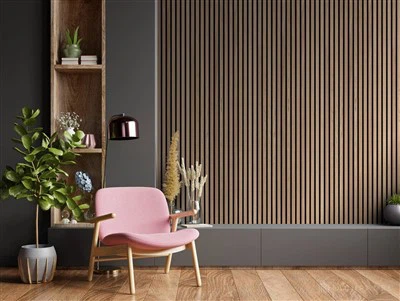
If you’re working on a bathroom project—whether it’s a small guest bath or a multi-million dollar development—pattern consistency might seem like a minor detail, but it’s what makes a bathroom look finished, professional, and expensive, even when you’re using affordable PVC cladding. A panel with a controlled, consistent pattern will look identical to the eye, as if the entire wall was made from one continuous piece. A panel with a loose or non-existent pattern repeat will look mismatched, cheap, and distract from the overall design.
PVC Ceiling Panel At the end of the day, my team and I don’t just sell PVC bathroom cladding panels—we help customers get the look they want without the headache of mismatched patterns or defective materials. If you’re ready to source panels for your next project, or if you have more questions about pattern repeats, quality control, or installation tips, we’re here to help. We can send you free samples, walk you through our production process, and make sure you get exactly what you need to make your bathroom project a success.
References
- PVC Cladding Manufacturing: Process and Quality Standards. International Institute of Surfaces and Materials, 2022.
- Pattern Consistency in Architectural Finishes: A Guide for Specifiers. Construction Specifications Institute, 2021.
- Digital Printing for PVC Building Materials: Registration and Repeat Accuracy. Journal of Architectural Coatings and Cladding, 2023.
- Sustainable PVC Materials for Residential Renovation. Green Building Materials Council, 2020.
Hangzhou Eastopo New Marterial Technology Co., Ltd.
As one of the most professional pvc bathroom wall panel manufacturers and suppliers in China, we offer a wide range of products with superior quality. Please rest assured to wholesale custom made pvc bathroom wall panel from our factory. Good service and reasonable price are available.
Address: Room 304-20, Block B, Building 1,2,3&4, Kaixuan Jinniu Fang, Shangcheng District, Hangzhou, Zhejiang, China.
E-mail: mj@eastopo.com
WebSite: https://www.eastopo.com/
