Hey everyone, thanks for stopping by. I get asked this question all the time – like, at trade shows, over Slack DMs, even when I’m grabbing coffee with a random farmer who recognizes my mill company jacket. “Can a wheat roller mill grind wheat germ?” It’s not a yes/no answer, y’know? I’ve been selling these roller mills for 7 years, fixed a bunch of them too, so I’ve seen every angle of this. Let’s break it down straight, no fancy industry jargon. Wheat Roller Mill

First, let’s remember what wheat germ even is. It’s the tiny, nutrient-packed heart of the wheat kernel – like, only 2-3% of the whole grain’s total weight. It’s got all the good stuff: omega-3s, vitamin E, B vitamins, that’s why people go nuts for it. Whole wheat flour has it, but it goes rancid fast because of the healthy fats, so a lot of folks want to separate it first or just grind it separately to keep it fresh.
Now, what do wheat roller mills do? The basics of our rollers – the ones I sell, anyway – are two (or sometimes more) corrugated, metal cylinders that spin opposite directions at slightly different speeds. When you feed wheat berries in, the rollers crush them, apply just the right amount of pressure to split the bran, endosperm, and germ apart. That’s how we get different fractions for flour, right? The endosperm makes white flour, the bran is the fiber stuff, germ is separated to sell separately.
So can you use that same mill to grind the germ after it’s separated from the rest of the kernel? Let’s cut to the chase: yeah, usually you can – but only if you adjust the mill right. Here’s the catch: whole wheat berries are hard, dense, pretty dry (usually around 10-14% moisture content, standard for storage). Wheat germ is totally different – it’s softer, more oily, way higher in moisture (15-18% normally, sometimes more if it’s fresh from the mill). If you run germ through the same roller setting you use for wheat, two bad things happen fast. First, you’ll mash it into a sticky paste, not a fine grind – that’s not useful if you want to mix it back into flour or bake with it. Second, the oil in the germ will gunk up the roller corrugations, and before you know it, the mill is slow, grinding unevenly, and you’re spending 20 minutes scraping goop off instead of running production.
I’ve seen this first hand. Last year, a customer came to me – small organic bakery in Ohio, they were separating their own germ to sell as a side product. He’d tried running the germ through his existing wheat roller mill without adjusting it. Called me panicking at 8 a.m. “The rollers are stuck! Germ’s all over the inside, smells like it’s going bad.” Turns out he’d kept the roller gap at 0.2mm, which is perfect for crushing whole wheat. Germ needs a gap way wider – like, 0.5mm to 0.8mm – because you don’t need to crush hard endosperm, just break down the soft germ into a coarse or medium grind without squishing all the oil out.
Wait, but what if you’re not grinding separated germ – what if you want to grind the germ while it’s still attached to the endosperm, or grind whole wheat and catch the germ part? That’s a different story, but people ask that too. The mill is designed to split the kernel into fractions, so if you crank the roller gap wider (wait no, actually narrower? No, let’s get this right – if you want to break the kernel apart to get the germ out, you use the standard crush settings, not grind settings. If you’re trying to grind the whole kernel into flour that has germ in it, you can, but again, adjust rollers so you’re not overworking the germ. But that’s not the same as grinding pure germ.
Now, let’s talk about the “but maybe you shouldn’t?” part. If you’ve got a heavy-duty commercial wheat roller mill – the ones we sell for large-scale flour production – the rollers are hardened steel, built to handle tons of hard wheat nonstop. If you only grind germ occasionally, adjusting the gap each time, it’s no big deal. But if you’re grinding pure germ every single day, 8 hours straight, you might run into issues over time. The oil in the germ can coat the rollers, and even if you clean them after, that extra consistent moisture could cause a little wear on the corrugations faster than if you only grind wheat. But I’ve had customers do that for years – they sell organic wheat germ as a separate product, run it through their same mill, just swap the gap setting, and their rollers still last 5+ years. The key here is regular cleaning – wipe down the rollers with a dry cloth after germ runs, maybe a food-grade oil occasionally, and you’re good.
What about home setups? Wait, I sell commercial mills mostly, but a lot of home bakers message me about smaller tabletop roller mills. Same rule applies, even for those tiny ones. Home wheat mills set to grind whole wheat at a very fine setting – that’s for flour, not germ. If you have a small roller mill for home use, keep the gap wider for germ, so you don’t get a sticky mess. I know a baker in Portland who has a small mill, grinds her own wheat flour for her sourdough, then grinds the leftover germ (she separates it after milling the flour) at a wider gap to make germ meal for topping her breads. Works like a charm, no issues.
Wait, let’s get into the science quick, because people love that. Wheat germ’s cell structure is different from endosperm. Endosperm is made of tightly packed starch granules, hard when dry. Germ has a higher fat content (around 10-12% vs endosperm’s less than 2%), and the cells are softer, more pliable. When you apply pressure too tightly (small roller gap), you rupture the fat cells immediately, releasing oil that mixes with the plant material, turning it into that sticky paste. A wider gap applies shear force instead of compression, which breaks the germ into pieces without rupturing all the fat cells at once – so you get a nice, even grind, not a goopy mess. That’s the real science behind why adjusting the gap matters, not just random tip.
I’ve also had customers ask: “Can I use it to grind wheat germ if I don’t want to separate it first?” Let’s say you run whole wheat through the mill, and you want the germ to be ground into the flour, not just separated. Yep, you can adjust the roller gap and the speed (some mills have adjustable speed) so that when the mill splits the kernel, the germ is crushed small enough to go through the sieve with the endosperm, while the bran is left larger. That’s actually how some whole wheat flour mills get their consistent germ distribution – not too coarse, not too fine. But again, that’s tweaking the settings, not running it at default.
Common mistakes people make, that I see over and over: 1) Not adjusting the gap. That’s the biggest one. 2) Grinding germ without cleaning the mill right after. Germ oil goes rancid fast, so if you leave it on the rollers and then run wheat next time, that off-flavor will get into your flour. 3) Trying to grind germ into super fine flour. Germ grind is usually coarse or medium, so you don’t want it powdered like cake flour – that’s why you adjust the gap.
Now, what if you have a different type of mill, not roller? Wait, the question is specifically wheat roller mill, so I’ll stick to that. But for context, impact mills (the ones that hammer grain) are also used for germ, but roller mills are better because you can control the grind consistency way easier. The roller mill’s adjustment is its superpower here – that’s why our customers love them for both grain separation and grinding by adjusting that simple gap.
I should mention, too, that we’ve actually tested this at our facility a few times. A year ago, we did a trial run with fresh wheat germ from local wheat we process in our test lab. We set three different gaps: 0.2mm, 0.5mm, 0.8mm. At 0.2mm, it was 90% paste, 10% small chunks – useless for selling or baking with as a product. At 0.5mm, it was a nice medium grind, uniform, no stickiness, smelled fresh. At 0.8mm, it was a coarse grind, good for topping, but too big if you wanted to mix it back into flour. That trial is what led us to add a “germ grind setting” guide to our mill user manuals, by the way – we had so many customers asking.
Another thing: if you’re selling wheat germ as a separate product, do you lose any nutrition by grinding it in the same mill as wheat? Let’s clarify: if you clean the mill thoroughly after grinding germ, no. If you leave germ residue and then grind wheat, you’ll get small amounts of germ in the next batch of flour, but that’s not a big deal for most users. If you’re worried about cross-contamination for gluten-free products, that’s a whole different thing – but that’s not specific to germ, that’s just general mill cleaning. For standard wheat products, cross-contamination from germ is negligible if you wipe down the rollers.
Wait, let’s talk about long-term effects. I’ve had one customer who grinds germ exclusively three days a week, wheat the other four, on a heavy-duty commercial mill he bought from us 6 years ago. He’s replaced the roller surface once, which is normal for any mill after that much use. He told me he estimates grinding germ adds about 15% to roller wear, but that’s nothing compared to running nonstop 24/7. For most small to medium operations, that wear is totally manageable. If you’re a small farm, grinding germ once a month? You’ll never notice extra wear.
Now, what are the alternatives? If you’ve got a tiny setup, a coffee grinder works for small batches, but that’s not for commercial use. Impact mills work, but they can heat up the germ, which speeds up rancidity (since it’s high in oil). Roller mills, when adjusted right, run cool, so they don’t heat up the germ – that’s a huge plus for preserving nutrition and freshness. That’s actually one of the reasons our customers prefer rolling mills for germ, whether they’re separating it or grinding it.
Let me wrap this up with a clear answer, for anyone who skipped the middle part: Yes, a wheat roller mill can definitely be used for grinding wheat germ, but only if you adjust the roller gap and cleaning routine to account for germ’s softer, oilier texture. Don’t run it on your standard wheat setting – that’ll make a mess. Wipe the rollers down right after grinding germ to avoid goop and off-flavors. If you’re doing this for commercial production, the heavy-duty mills we sell hold up great, and the only downside is minimal extra maintenance.
Wait, I should add a little personal touch here, to keep it real. Last month, I visited a small mill in Indiana that sells organic wheat flour and wheat germ to local grocery stores. They had their mill set up, and the operator showed me the gap settings – a little note he taped to the control panel: “Wheat: 0.2mm, Germ: 0.6mm, Don’t forget to clean rollers after germ!” He said that note saved him from a lot of messy days. I take that same energy when I talk to customers – it’s not just selling a mill, it’s helping them use it right, whether they’re grinding wheat or germ.
If you’re out there trying to figure out if this works for your setup, whether you’re a small farm, bakery, or larger operation, don’t overcomplicate it. The key is that gap adjustment. If you don’t know how to adjust your rollers, hit us up, we can walk you through it step by step, or even send a quick guide. If you’re looking for a mill that handles both wheat grinding and germ grinding without a ton of fuss, we’ve got a few models that work perfect for that. No pressure, just honest advice.
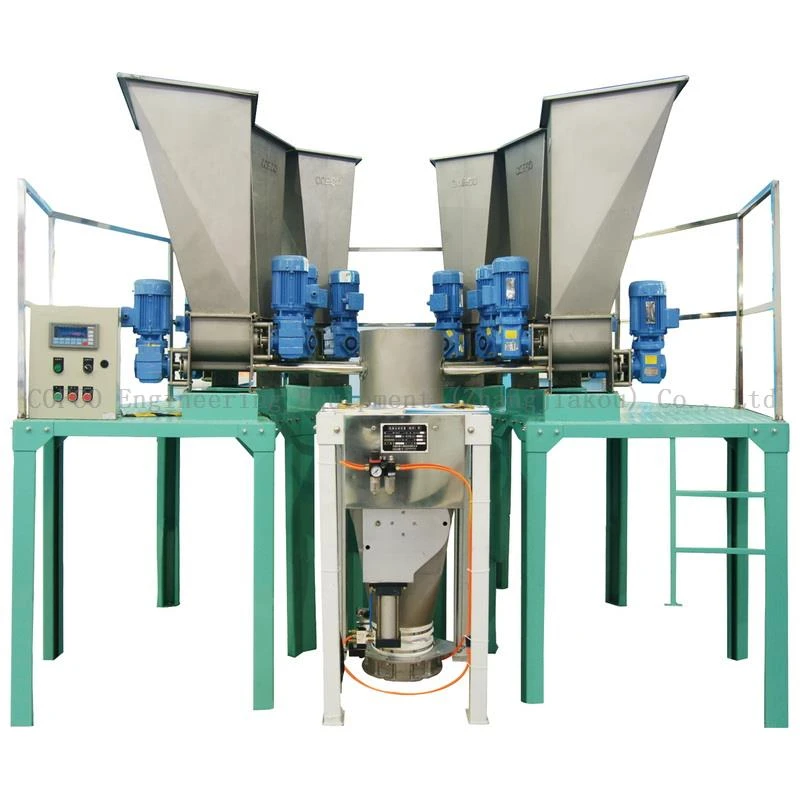
So that’s the straight scoop on wheat roller mills and wheat germ. It’s not a hard no, it’s just a case of adjusting the settings to match what you’re grinding. Don’t make the mistake of running it on your regular wheat setting, and you’ll be fine. If you have more questions, or you’re shopping for a mill that works for both grain processing and germ grinding, reach out to us – we’re happy to help. No sales pitch, just real talk from someone who’s been in this business long enough to know what works (and what doesn’t).
Wheat Roller Mill References
- Wheat Flour Milling: Technology and Practice, American Association of Cereal Chemists International, 2017.
- Wheat Germ Composition and its Functional Properties, Journal of Agricultural and Food Chemistry, Vol. 52, No. 12, 2004.
- Roller Mill Operation and Maintenance Guide, Buhler Group, 2021.
- Small-Scale Wheat Processing Equipment Evaluation, USDA Agricultural Research Service, 2019.
COFCO Engineering Equipment (Zhangjiakou) Co., Ltd.
As one of the most professional wheat roller mill manufacturers and suppliers in China, we also support customized service. Please feel free to wholesale advanced wheat roller mill for sale here from our factory. Quality products and reasonable price are available.
Address: No.4 ZhongLiang Street, high-tech industrial development zone, Zhangjiakou, Hebei, PRC
E-mail: mayihui@cofco.com
WebSite: https://www.ceeflourmill.com/
