Yo! I’m a supplier of medical hydrogel adhesive. You’ve come to the right place if you’re curious about the storage conditions for this nifty product. Let’s dive right into it. Medical Hydrogel Adhesive
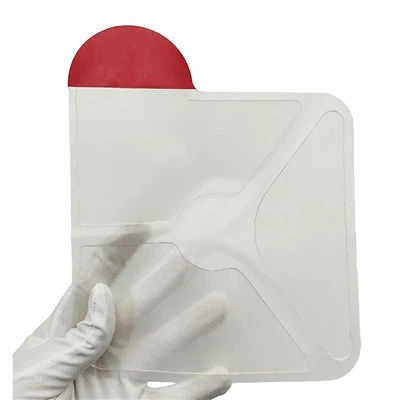
First off, why does proper storage matter? Well, medical hydrogel adhesive is a delicate thing. It’s used in all sorts of medical applications, like sticking electrodes to patients’ skin for monitoring, or in wound dressings. If it’s not stored correctly, its quality can go downhill fast, and that’s a big no – no in the medical field, where reliability is super important.
Temperature
Temperature is one of the most crucial factors when it comes to storing medical hydrogel adhesive. Most of the time, it’s best to keep it at a cool, stable temperature. For many of the medical hydrogel adhesives I supply, a temperature range of 2 – 8 degrees Celsius is ideal. This is similar to the temperature you’d find in a standard medical refrigerator.
Why this range? Well, at lower temperatures, the chemical reactions that can cause the adhesive to degrade slow down significantly. Heat, on the other hand, can be a real troublemaker. If the adhesive gets too hot, the polymers in it can start to break down, which means it won’t stick as well or might even change its consistency. For example, if you leave a batch of hydrogel adhesive in a hot warehouse during summer without proper climate control, you might end up with a gooey mess that’s useless for medical applications.
However, it’s not just about keeping it cold. Extreme cold can also be a problem. If the temperature drops too low, the water in the hydrogel can freeze. When water freezes, it expands, and this can damage the structure of the hydrogel. Once the ice thaws, the adhesive might not have the same properties as before. It could lose its elasticity or its ability to adhere properly.
Humidity
Humidity is another key aspect. Hydrogel adhesive has a high water content, which makes it sensitive to changes in humidity. You want to store it in an environment with a relatively low humidity level. ideally, the relative humidity should be around 30 – 50%.
If the humidity is too high, the hydrogel can absorb extra moisture from the air. This can dilute the adhesive and make it less sticky. It can also promote the growth of mold and bacteria, which is a huge risk in a medical setting. On the flip side, if the humidity is too low, the hydrogel can lose moisture. This can cause it to dry out, become brittle, and lose its adhesive properties.
To control humidity, you might use a dehumidifier in the storage area. Some suppliers also use special sealed containers that help maintain a stable humidity level inside. I’ve seen cases where improper humidity control has led to batches of medical hydrogel adhesive being rejected because they didn’t meet the quality standards.
Light
Light, especially ultraviolet (UV) light, can have a negative impact on medical hydrogel adhesive. UV light can cause the polymers in the hydrogel to break down through a process called photodegradation. This can lead to a change in the adhesive’s color, texture, and adhesive strength.
To protect the hydrogel from light, it’s usually stored in opaque containers. These containers block out the harmful UV rays and keep the adhesive in good condition. If you’re storing the adhesive on a shelf, make sure it’s in a dark area or covered with a light – blocking material.
Packaging
The packaging of the medical hydrogel adhesive also plays a role in its storage. The packaging should be airtight and made of materials that are compatible with the hydrogel. It should prevent air, moisture, and light from getting in.
Common packaging materials include plastic tubes, pouches, or containers with a tight – fitting lid. The packaging should also be labeled properly with information about the storage conditions, expiration date, and batch number. This helps in keeping track of the product and ensures that it’s used within its recommended shelf life.
Shelf Life
Understanding the shelf life of medical hydrogel adhesive is important for proper storage and use. Different types of hydrogel adhesives have different shelf lives, but on average, it can range from 1 to 2 years under the right storage conditions.
As the adhesive gets closer to its expiration date, its performance might start to decline. That’s why it’s essential to follow the first – in, first – out (FIFO) principle in your storage. This means using the oldest batches of adhesive first before moving on to the newer ones.
Handling During Storage
Proper handling during storage is also crucial. When moving the hydrogel adhesive around, make sure not to shake it too vigorously. Excessive shaking can break up the structure of the hydrogel, affecting its adhesive and physical properties.
Also, keep the adhesive away from any sharp objects or rough surfaces that could puncture or damage the packaging. If the packaging is damaged, it can expose the adhesive to the elements and ruin its quality.
Monitoring Storage Conditions
It’s not enough to just set up the right storage conditions and forget about it. You need to monitor the temperature, humidity, and other environmental factors regularly. This can be done using thermometers, hygrometers, and other monitoring devices.
If you notice any deviations from the recommended storage conditions, you should take immediate action to correct them. For example, if the temperature in the storage area starts to rise, you might need to check the refrigerator or the cooling system.
Conclusion

So, to sum it up, storing medical hydrogel adhesive requires paying attention to temperature, humidity, light, packaging, and handling. By following the proper storage conditions, you can ensure that the adhesive maintains its quality and performance for as long as possible.
Medical Dressings If you’re in the market for high – quality medical hydrogel adhesive, I’m here to help. I’ve got years of experience in this field, and I know how important it is to have a reliable supplier. Whether you’re a hospital, a medical device manufacturer, or any other business that needs medical hydrogel adhesive, let’s have a chat about your requirements. Don’t hesitate to reach out for a consultation and let’s work together to find the best solution for you.
References
- ASTM International standards on medical device packaging and storage.
- Peer – reviewed research papers on the stability of hydrogel polymers under different environmental conditions.
Shenzhen Omori Biological Technology Co., Ltd.
We’re well-known as one of the leading medical hydrogel adhesive manufacturers and suppliers in China. We warmly welcome you to wholesale high quality medical hydrogel adhesive made in China here from our factory. If you have any enquiry about customized service, please feel free to email us.
Address: Floor4, No43, Langkou Industrial park, Dalang Street, Longhua District, Shenzhen City, Guangdong Province, China
E-mail: wya@omorimed.com
WebSite: https://www.omorimed.com/
