When it comes to working with a board edger, one of the most frustrating and potentially dangerous issues you can face is having the board slip during the edging process. As a supplier of board edgers, I’ve seen this problem time and time again. And I know that it can lead to uneven cuts, wasted materials, and even injuries. So, in this blog post, I’m gonna share some tips on how to prevent the board from slipping during edging on a board edger. Board Edger
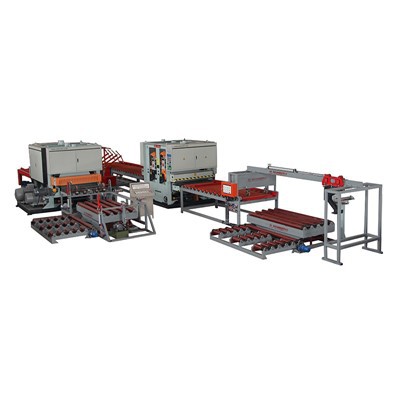
1. Prepare Your Board Properly
First things first, you need to make sure your board is ready for the edging process. Start by checking the surface of the board for any dirt, debris, or moisture. Even a small amount of these can reduce the friction between the board and the edger, causing it to slip. So, use a clean cloth to wipe down the board and remove any contaminants.
If the board has rough edges or splinters, it’s a good idea to sand them down before edging. This not only makes the board safer to handle but also helps it sit more securely on the edger. You don’t need to go overboard with the sanding; just a quick pass with some medium – grit sandpaper should do the trick.
Another important aspect of board preparation is ensuring it has the right moisture content. If the board is too wet, it can be slippery and may cause issues during cutting. On the other hand, an overly dry board might be brittle. Try to keep the moisture content of the board within the recommended range for the type of wood you’re working with. You can use a moisture meter to check this easily.
2. Adjust the Pressure Settings
Most modern board edgers come with adjustable pressure features. These are designed to hold the board in place securely while allowing for smooth cutting. You need to adjust the pressure settings according to the thickness and type of the board you’re working with.
For thinner boards, you don’t want to apply too much pressure, as it could cause the board to warp or break. On the contrary, thicker boards might require more pressure to keep them from slipping. Start with a moderate pressure setting and test the edging on a scrap piece of the same type of board. If the board slips, gradually increase the pressure until it stays in place during the cut.
It’s also important to check the pressure distribution. Make sure that the pressure is evenly applied across the board. Uneven pressure can cause one side of the board to lift or slide, resulting in an inaccurate cut. Most edgers have multiple pressure points or rollers that can be adjusted to ensure uniform pressure.
3. Use Non – Slip Accessories
There are several non – slip accessories available in the market that can greatly help prevent board slippage. One of the most common and effective ones is non – slip mats. You can place these mats on the edger’s surface where the board sits. They increase the friction between the board and the edger, keeping the board in place.
Non – slip pads can also be used. These can be attached to the pressure points or rollers of the edger. They provide an extra grip on the board and prevent it from sliding during the cutting process. Some non – slip pads are made of materials like rubber or silicone, which are known for their high friction properties.
If your edger has conveyor belts, consider using conveyor belt lubricants specifically designed to increase traction. These lubricants can prevent the board from skidding on the belts, ensuring a smooth and accurate edging operation.
4. Maintain Your Board Edger
A well – maintained board edger is less likely to have issues with board slippage. Regularly check the blades of the edger. Dull blades can cause the board to bind or slip as they struggle to cut through the wood. Replace the blades when they start to show signs of wear and tear.
Inspect the rollers and pressure mechanisms of the edger. Make sure they are clean and free from any damage. If the rollers are dirty or worn out, they won’t be able to provide proper grip on the board. Clean the rollers regularly with a mild detergent and a soft brush, and replace them if necessary.
Lubricate the moving parts of the edger as recommended by the manufacturer. This helps the machine operate smoothly and ensures that the pressure and cutting mechanisms work efficiently. Poorly lubricated parts can cause the edger to malfunction, which may lead to board slippage.
5. Operator Technique
The way the operator handles the board and the edger also plays a crucial role in preventing board slippage. The operator should always hold the board firmly and guide it steadily through the edger. Avoid using too much force or pushing the board too quickly, as this can cause it to move out of position.
It’s also important to position the board correctly on the edger. Align it precisely with the cutting blade and the pressure points. A misaligned board is more likely to slip during the edging process. Take your time to make sure the board is in the right position before starting the cut.
In addition, the operator should be aware of the speed and feed rate of the edger. Different types of boards and cutting requirements may call for different speeds. Operating the edger at the wrong speed can cause the board to slip or result in an uneven cut. Refer to the edger’s manual for the recommended speed and feed rate settings.
6. Safety First
While we’re talking about preventing board slippage, it’s important to mention safety. Always wear appropriate safety gear when operating a board edger, such as safety glasses, ear protection, and gloves. A slipping board can cause the edger to kick back, which is extremely dangerous.
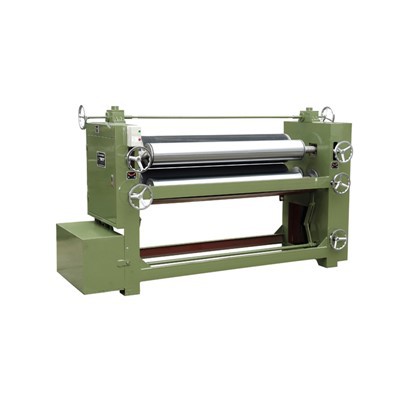
Ensure that the work area is clean and well – lit. A cluttered or dimly lit workspace can make it difficult to handle the board properly and increase the risk of accidents. Also, make sure the edger is properly grounded to prevent electrical hazards.
Cold Pressing Machine By following these tips, you can significantly reduce the chances of the board slipping during edging on a board edger. As a board edger supplier, I know how important it is for you to have a smooth and efficient edging process. If you’re looking for a reliable board edger or have any questions about preventing board slippage, feel free to reach out. We’re here to help you make the most of your woodworking projects.
References
- Woodworking Machinery Handbook: A comprehensive guide to operating and maintaining woodworking equipment.
- Manufacturer’s guides for various board edger models. These guides provide detailed information on pressure settings, blade replacement, and other important aspects.
- Industry research papers on wood processing and board edging techniques.
Jiashan Changle Machinery Manufacturing Co., Ltd.
We’re well-known as one of the leading board edger manufacturers and suppliers in China, also support customized service. Please feel free to buy advanced board edger for sale here from our factory. Quality products and punctual delivery are available.
Address: Building 12, Zone A, Wanyang Innovation City, No. 23 Yucao South Road, Ganyao Town, Jiashan County, Jiaxing City, Zhejiang Province
E-mail: Changle84615620@163.com
WebSite: https://www.changlejx.com/
