If you’ve ever reached for a grain sack, a fertilizer bag, or a reusable shipping tote, chances are you’ve held PP woven cloth. As a PP woven cloth supplier, I get asked all the time: “Can you laminate this fabric? I need something that’s tear-resistant, water-proof, and has a smoother finish than what plain woven PP offers.” The short answer is yes—PP woven cloth absolutely can be laminated—but there’s a lot more to it than just slapping a plastic film onto a roll of woven polypropylene. Over the 12 years I’ve been in this industry, I’ve seen first-hand how lamination can turn a basic PP woven product into a versatile, high-performance material for industries from agriculture to retail, and I’ve learned the ins and outs that make the process work (or fail) if not done right. PP Woven Cloth
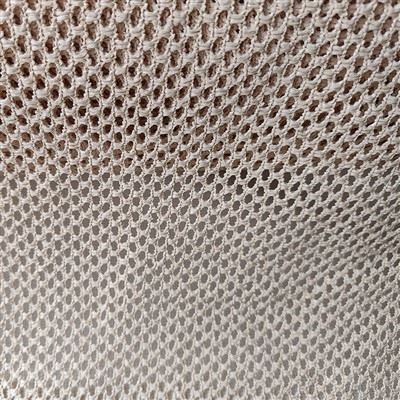
First, let’s break down what PP woven cloth actually is, because that’s foundational to understanding lamination. PP (polypropylene) is a thermoplastic polymer prized for its low cost, high tensile strength, and resistance to chemicals and moisture. Woven PP cloth is made by extruding PP resin into thin, flat strands called “fibers,” which are then stretched and oriented to align their molecules, boosting their strength. These strands are woven together on industrial looms to create a grid-like fabric—think of the interlaced threads in a traditional woven basket, just made of plastic. The result is a lightweight, tear-resistant material that’s 100% recyclable, which is why it’s so popular for bulk packaging. Plain PP woven cloth, though, has two big limitations for many applications: its porosity (the small gaps between woven strands let dust, moisture, and air seep through) and its slightly rough, matte finish, which makes it hard to print high-quality graphics for branding or product labeling. Lamination solves both of those issues, but only if you match the right lamination method to your specific PP woven material.
Let’s talk about the lamination methods that work best for PP woven cloth, because not every lamination process is compatible with polypropylene. The most common and effective options for our products are extrusion lamination and adhesive lamination, and I’ll explain why we avoid other methods like hot roll lamination for most woven PP. Extrusion lamination is my go-to process for high-volume orders, because it creates a permanent, seamless bond that doesn’t peel over time. Here’s how it works: we melt a second layer of PP resin (the same base polymer as our woven cloth, which is key for adhesion) and extrude it into a thin, uniform film between two layers—one of which is our PP woven cloth, and often a top film for extra protection. Before the molten PP is applied, we treat the surface of the woven cloth with a small amount of corona discharge, a process that uses a mild electrical charge to slightly alter the molecular structure of the PP surface. This creates tiny, reactive sites that the molten PP film can lock into, instead of beading up like water on a waxed surface. For us, this is non-negotiable—skip the corona treatment, and the lamination will peel off after a few uses, especially if the product is exposed to outdoor elements like rain or sunlight.
Adhesive lamination is another option, though it’s better suited for smaller runs or when we need to pair PP woven cloth with a different material, like a thin layer of polyester or a food-grade film for packaging edible goods. With adhesive lamination, we apply a thin layer of food-safe or industrial-grade adhesive (again, formulated to bond specifically with PP to avoid delamination) to either the woven cloth or the film, then press the two layers together at controlled temperature and pressure. The benefit here is flexibility: we can use adhesives that are clear, colored, or even heat-resistant, depending on the client’s needs. The downside is that adhesive lamination is often more expensive than extrusion lamination for large orders, and it can add a tiny bit of bulk to the material, which isn’t a problem for most uses but is something we always discuss with customers upfront.
Now, let’s get into the practical reasons why a business would want to laminate their PP woven cloth, because I don’t just talk process—I talk about how this adds value to a product. Take our agricultural clients, for example: they use unlaminated PP woven cloth for hay bale covers, but plain woven PP lets in dew and rain, which can cause mold growth on hay. Laminating the cloth with a thin, low-density polyethylene (LDPE) film creates a water- and moisture-proof barrier, so hay stays dry longer, reducing crop waste. Another big use case is retail packaging: reusable tote bags made from unlaminated PP are sturdy, but they’re hard to print on clearly because the woven texture shows through any ink layer. Lamination creates a smooth, flat surface that takes vibrant, long-lasting ink, so brands can print their logos, product info, and even QR codes that scan easily. We’ve also worked with construction supply clients who use laminated PP woven cloth for temporary tarps: the lamination adds UV resistance, so the tarp doesn’t break down in sunlight as quickly as unlaminated PP, making it last multiple seasons instead of a few months.
Of course, as a supplier, I also have to be honest about the challenges and limitations of laminating PP woven cloth, because I’d never sell a customer a product that won’t meet their needs. One big limitation is temperature resistance: PP has a melting point around 320°F, so when laminating, we have to control the temperature of the extrusion process carefully—too hot, and the woven PP strands can warp or stretch, ruining the material’s structural strength. We also have to be careful with UV-stabilized PP resin: if a customer is using our cloth for outdoor products, we can add UV inhibitors to the resin before lamination, but we have to adjust the corona treatment process to work with those modified polymers, which is a fine-tuning we’ve perfected over years of working with different resin blends.
Another important point is recyclability, which is a top concern for many of our clients these days. I always make a point to explain that laminating PP woven cloth doesn’t make it non-recyclable—if you laminate it with the same PP polymer, the entire laminated product is 100% polypropylene, which can be recycled the same way as unlaminated PP woven cloth. We do advise against mixing polymers, though: if a customer decides to laminate PP woven cloth with a different material like polyester, that combined product may not be accepted in standard recycling streams, so we only recommend that for applications where recyclability isn’t the primary requirement.
Over the years, I’ve seen common mistakes that customers make when they’re first exploring laminating their PP woven cloth, and I always walk them through these to avoid wasted time or money. One mistake is assuming all lamination is the same: a customer might come to us saying they got a quote from another supplier for “laminated PP woven cloth” only to find out that supplier used a low-quality adhesive that starts to peel after a few washes, or skipped the corona treatment leading to weak bonds. Another mistake is not specifying their end use upfront: if a client needs food-safe laminated cloth for grain packaging, we can’t use standard industrial adhesive—we have to use FDA-approved adhesive that meets food contact regulations, and we have to make sure the lamination is done in a clean, controlled facility, which we do for all our food-grade products.
As a supplier, I’ve also worked closely with clients to customize laminated PP woven cloth for niche needs. For a camping gear brand, we created laminated PP woven cloth that’s lightweight, water-proof, and puncture-resistant for tent liners. For a pharmaceutical company, we developed antistatic laminated PP woven cloth that protects sensitive medical supplies from static damage during shipping. These custom projects are where lamination really shines—turning a basic, ubiquitous material into something that fits specific, demanding needs.
At the end of the day, the answer to “Can PP woven cloth be laminated?” is a resounding yes, but the quality and suitability of the final product depend on the supplier’s expertise in matching the right lamination method, materials, and specifications to your needs. As someone who’s been in this business long enough to see trends come and go, I know that laminated PP woven cloth isn’t just a temporary fix—it’s a versatile, sustainable solution that’s only going to grow in demand as businesses look for affordable, durable packaging and fabric materials.

If you’re considering laminating PP woven cloth for your next project, whether it’s bulk packaging, retail goods, industrial supplies, or something else entirely, I’m here to help. We can provide sample rolls, walk you through the different lamination options, and work with you to customize a solution that fits your exact requirements. Don’t hesitate to reach out to discuss your project details and get a personalized quote.
PP Woven Cloth References
- Horrocks, A.R., & Anand, S.C. (2000). Handbook of Technical Textiles. Woodhead Publishing.
- Owen, E.D. (2005). Polypropylene: Structure, Blends, and Composites. Springer.
- Technical Association of the Pulp and Paper Industry (TAPPI). (2018). Lamination of Polyolefin Fibers for Packaging Applications. TAPPI Press.
- American Society for Testing and Materials (ASTM). (2021). Standard Test Methods for Tensile Strength of Polypropylene Woven Fabrics. ASTM International.
- European Plastic Pipes and Fittings Association (TEPPFA). (2020). Recycling of Laminated Polypropylene Packaging Materials. TEPPFA Technical Report.
Nanping Kingway New Material Co., Ltd.
As one of the most professional pp woven cloth manufacturers and suppliers in China, we also support customized service. With abundant experience, we warmly welcome you to wholesale durable pp woven cloth in stock here from our factory. If you have any enquiry about pricelist, please feel free to email us.
Address: No. 10, Chengnan Branch Road, Chengjiao Town, Nanping, Fujian, China.
E-mail: npjwxcl@aliyun.com
WebSite: https://www.suernew.com/
