If you’ve ever stood on a manufacturing floor as machines hum, sensors relay data in real time, and robot arms swivel with millimetre precision to assemble a product, you’ve probably relied on a small, unassuming component to keep that whole operation running: the modular industrial connector. As a third-generation industrial connector supplier, I’ve spent the last 18 years talking to plant managers, automation engineers, and maintenance techs who often overlook these parts until one fails and brings an entire line to a halt. What I’ve learned is that modular connectors aren’t just “wire adapters” – they’re the backbone of modern industrial infrastructure, with applications that span every corner of manufacturing, energy, and logistics. Let’s break down the most critical uses, and why choosing the right modular connector isn’t just a technical detail – it’s a business decision. Industrial Connector
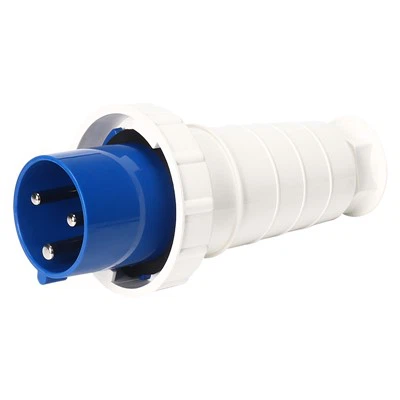
First, let’s ground this in what makes modular industrial connectors different from standard off-the-shelf parts. Unlike fixed-wire connections that are built for one specific use and hard to modify, modular connectors are designed to snap together, swap out, and rearrange without rewiring entire systems. They come in standardised pin counts, voltage ratings, and housing materials, which means engineers don’t have to custom-make a connection for every new piece of equipment. That flexibility cuts downtime during upgrades, reduces inventory costs for plants that don’t have to stock 20 different custom cables, and lowers the risk of human error during installations. For context, when I first started in this business in 2005, most automotive assembly lines used fixed wiring harnesses that took three days to reconfigure when a robot arm was replaced. Now, thanks to modular connectors, that same swap takes 90 minutes max – a difference that translates to millions in lost or saved production each year.
One of the most widespread applications is in factory automation and robotics, and this is where we’ve seen the biggest shift in demand over the last decade. Automotive plants, in particular, are a goldmine for modular connector use. A single assembly line might have 50 to 100 robot arms, each needing connections for power, sensor data, and pneumatic control. Modular connectors here need to hold up to constant vibration, extreme temperatures (think the hot welding stations where some robots work), and occasional exposure to oil or coolant. We supply a lot of our M12 and M8 circular modular connectors to automotive OEMs and tier 1 suppliers, specifically rated for IP67 ingress protection – that means they’re dust-tight and can be submerged in up to a metre of water, which comes in handy when a line gets hosed down for sanitation. The modular design here is game-changing because when a sensor on a robot arm fails, a technician can simply unplug the old connector and plug a new one in, no soldering or crimping required. I remember a client in Detroit who used to have a team of three electricians spending 10 hours a day repairing faulty robot wiring; after switching to our modular connectors, that dropped to one hour a day, and unplanned line downtime fell by 32% in the first six months. It’s not just automotive, either: electronics manufacturing, consumer goods assembly, and even pharmaceutical packaging lines rely on the same logic. A pharmaceutical line can’t afford contamination, so modular connectors allow for quick, tool-free replacements that don’t require opening up the machine’s internal wiring, which cuts down on the risk of introducing contaminants to sterile environments.
Next, renewable energy and power infrastructure is a fast-growing area for modular industrial connectors, and it’s one we’ve invested a lot of R&D into over the last five years. As countries shift away from fossil fuels, wind farms, solar farms, and battery energy storage systems (BESS) are popping up all over the world, and none of them would work without reliable, weatherproof connections that can handle high voltage and extreme outdoor conditions. Wind turbines, for example, have gearboxes, control systems, and sensor arrays spread across the tower nacelle and blade roots, and connecting all those components inside a spinning, 200-metre tall structure is no small feat. Modular heavy-duty connectors, like our HD Series, are designed to withstand -40°C temperatures in the dead of a North Dakota winter or 50°C heat in a Texas summer, plus the constant vibration of the turbine’s rotation. They also come with integrated locking mechanisms that prevent loose connections when blades move, which is a common failure point with standard connectors. For solar farms, which often span hundreds of acres in remote areas, modular connectors mean that installation crews can bring a single set of spares instead of dozens of custom parts. When a string of solar panels needs to be connected to the inverter, a technician can plug in four modular connectors in 15 minutes, instead of spending an hour splicing cables on-site. We’ve also seen big demand for modular connectors in BESS, where thousands of battery cells are wired together to store energy for grid stabilisation. These connectors need to handle high DC voltage (up to 1,500V in some systems) and high current, and modular design allows for easy maintenance of individual battery modules without having to disconnect the entire bank. A client in Europe recently told us that using our modular power connectors cut their BESS maintenance time by 40%, since they don’t have to shut down the whole system to replace a faulty module. That’s a huge deal for grid operators, who rely on BESS to balance supply and demand for renewable energy.
Another often-overlooked application is in material handling and intralogistics, the systems that move goods from warehouses to shipping docks. Think of Amazon’s fulfilment centres, or a food distribution hub with thousands of pallets moving on conveyor belts, sortation systems, and autonomous guided vehicles (AGVs). All of these systems rely on constant, reliable connections between motors, sensors, and control units, and modular connectors are the glue that holds that network together. Conveyor belts run 24/7, 365 days a year, so connectors here have to be tough enough to handle repeated flexing, dust, and occasional impact from falling pallets. Our flex-rated modular flat cable connectors, specifically designed for moving applications, are perfect here – they’re built to withstand up to 10 million flex cycles without failing, which is way more than standard connectors. AGVs, which navigate warehouses using LiDAR and camera sensors, need lightweight, compact connectors that don’t add extra weight to the vehicle, while still being durable enough to handle daily collisions with racking or other AGVs. A client in Ohio that runs a 1-million-square-foot food distribution centre switched to our modular connectors three years ago, and has cut unplanned downtime on their sortation lines by 28%. Before, when a conveyor motor failed, technicians had to cut and splice cables in narrow, tight spaces under the conveyor, which took 45 minutes per repair. Now, they just unplug the old connector and plug a new one in, taking 10 minutes max, and they can do it without turning off the entire line if the modular connection is isolated. That translates to millions of dollars in avoided lost sales during peak holiday seasons, when every minute of downtime costs money.
We also can’t forget about the more industrial subsector of infrastructure: rail and transit. Modern trains and light rail systems are packed with sensors, control systems, and passenger amenities, all needing connections that work both inside the carriages and between them. Modular connectors here have to meet strict railway standards for fire resistance, vibration, and electrical safety, since a failure on a moving train can be catastrophic. Our railway-grade modular connectors are designed to comply with EN 45545, the EU’s fire safety standard for rail equipment, and they’re used in everything from passenger information displays to braking systems. A recent project in Germany to upgrade their regional light rail fleet used over 12,000 of our modular connectors, specifically because their standardized design meant that the maintenance team only had to stock five different parts, instead of 20 custom ones, across 80 trains. When a connector on a passenger display fails, a technician can replace it in under five minutes, without having to access the train’s main power system, which speeds up repairs and improves passenger comfort.
Now, as a supplier, I need to be honest: modular connectors aren’t one-size-fits-all, and choosing the right one depends on a plant’s specific needs. Too often, we get calls from engineers who buy cheap, generic modular connectors online, only to have them fail in six months because they didn’t account for the environment – whether that’s high temperature, vibration, or exposure to chemicals. That’s why we work with clients to do a site assessment before recommending a connector, not just sell them a part. For example, a food and beverage plant that uses cleaning chemicals won’t benefit from a standard IP20 connector – they need an IP67 or IP69K connector that can handle high-pressure washdowns without corroding. A wind turbine in a coastal area needs connectors with salt spray resistance, which our marine-grade line offers, to prevent rust that would cause loose connections.
Looking ahead, the demand for modular industrial connectors is only going to grow as industries adopt more automation, renewable energy, and smart technology. The global market is projected to grow at a CAGR of over 5% through 2030, driven by the rise of Industry 4.0, which relies on connected, data-driven manufacturing systems that require reliable, scalable connections. At our company, we’re already investing in modular connectors that are compatible with Industry 4.0 – parts that can send real-time data on their own performance, like temperature and connection integrity, so maintenance teams can predict failures before they happen, instead of reacting to them.

If you’re a plant manager, automation engineer, or maintenance lead dealing with frequent downtime from faulty connections, or you’re upgrading a system and want to reduce wiring and inventory costs, we can help. Our team has over 18 years of experience working with all the applications we’ve talked about, from automotive plants to wind farms to distribution centres, and we can help you find the right modular connector for your specific needs. Reach out to our team to discuss your project or your current connector challenges today.
Industrial Connector References
- Industrial Automation Connectivity Market Report, International Society of Automation, 2023.
- Modular Connector Applications in Renewable Energy, Renewable Energy World, 2022.
- Intralogistics Downtime Reduction Case Studies, Material Handling Industry Association, 2021.
- Railway Connectivity Safety Standards, European Committee for Electrotechnical Standardization, 2020.
Zhejiang Hefeng Electric Co., Ltd.
Zhejiang Hefeng Electric Co., Ltd. is one of the most professional industrial connector manufacturers and suppliers in China, featured by quality products and low price. Please rest assured to buy durable industrial connector made in China here from our factory. Also, OEM service is available.
Address: Wenzhou Daqiao Industrail Park, Beibaixiang Town, Yueqing City, Zhejiang Province, China
E-mail: hefengplug@chinahfe.com
WebSite: https://www.hfcee.com/
