If you’re reading this, chances are you’ve either ordered one of our sew-on padded applique patches before, or you’re staring at a stack of them in your workshop right now, wondering: do I really need a fancy special machine to stitch these on? Let’s cut the crap and answer that straight up, because as someone who’s been supplying these little (or big!) padded applique patches for 7 years, I’ve heard this question a million times—from hobbyists slapping patches on jacket sleeves, to small business owners branding tote bags for local shops, and even DIYers customizing backpacks for their kids. The short answer first? No, you don’t need a special, $2,000 industrial machine to sew on a padded applique patch. The slightly longer, more helpful answer? It depends on a few tiny details—like how thick your patch is, what fabric you’re sewing it to, and how neat you want the finished look to be. I’ve stitched our patches on everything from a thin cotton hoodie lining to a heavy-duty canvas work backpack, using everything from a beat-up old home sewing machine I’ve had since 2012 to a basic running stitch by hand, so trust me, I’ve tested every scenario. Sew On Padded Applique Patch

First, let’s break down what makes a “padded applique patch” different from a flat iron-on one, because that’s where the confusion usually starts. Our patches are layered: there’s a top fabric (like a fun custom logo, or a sports team mascot), a middle layer of soft, low-loft polyester batting to give it that squishy, raised look, and a bottom stabilizer layer so it doesn’t warp when you stitch. That batting is the only real difference between these and a flat patch—it’s thin, not hard or stiff, so it doesn’t require anything crazy to work with. Most home sewing machines can handle it, as long as you tweak one or two tiny settings.
Let’s start with the most common scenario: using a standard home sewing machine. If you’ve got a basic Brother, Singer, or whatever you’ve had in your closet since college, you can use that. I’d say 90% of the sew-on padded patches we ship out get attached with a home machine, and people love how easy it is. The only thing you need to watch out for is the presser foot pressure. Home machines are usually set for thin fabric, and the batting in our patches is a little extra soft, so if you leave the pressure on high, it might bunch the patch fabric instead of gliding smoothly. Drop it down one notch (most machines have a dial for this—look for a little icon that looks like a presser foot, or check your manual if you can’t find it). Next, use a universal 90/14 needle. Don’t overthink it—you don’t need a leather or denim needle, even if you’re sewing on heavy canvas. The universal needle will glide through the top fabric, batting, and the backing of the patch without catching. For thread, I recommend all-purpose polyester thread—it’s strong, doesn’t stretch, and won’t fray if you’re stitching a bunch of patches at once. Cotton thread works too, but it’s a little more prone to breaking if you have to go over a few layers.
Wait, but what if your patch is extra thick? Maybe it’s a big custom patch for a hockey jersey, with a thick logo and lots of batting, or you’re sewing it onto a really heavy fabric like work pants or a canvas sign. I’ve had customers tell me their home machine skipped stitches when they tried that, and yeah—sometimes standard home machines struggle with very thick layers. But that’s not a “special machine” thing; that’s just a basic machine’s limit. If that happens, all you need to do is switch to a heavier-duty home machine—like a Janome HD3000 or a Singer Heavy Duty 4423—those are built to handle multiple layers of fabric and thin batting, and they’re way cheaper than industrial ones, like $200 to $300, not $2k. I’ve used a Janome HD series machine for years to stitch our larger patches, and it’s never given me trouble. The key here is not that it’s a “special applique machine”—it’s just a machine that can handle more layers.
What if you don’t have a sewing machine at all? Can you still sew on a padded applique patch? Absolutely. I still hand-stitch small patches sometimes, especially if I’m adding one to a jacket on the go or fixing a patch that’s come loose. You just need a sharp hand-sewing needle (size 9 or 10 is perfect—thin enough to glide through the fabric, strong enough to go through a few layers) and regular all-purpose thread. Use a whip stitch or a ladder stitch for the edges—both are invisible if you do them right, and they hold the patch tight for years. I recently helped my niece add a little unicorn patch to her backpack, and we did it by hand over a Saturday movie marathon, no machine needed. It took about 20 minutes, and it’s still on there 6 months later, no signs of fraying.
Now, let’s talk about the myth of “applique-specific machines.” I’ve heard people say you need a commercial applique machine with a hoop and fancy software, and yeah—those are great if you’re making hundreds of patches a day for a small business, or if you’re designing custom patches from scratch to sell. But if you’re just attaching a few patches to personal items, or even a few dozen for a local order, you don’t need that. I know a local bakery that ordered 50 of our custom bakery logo patches for their staff aprons last year, and their owner used a regular home machine to stitch all of them over a long weekend. They turned out perfect, and the aprons have been through dozens of washes, so the patches haven’t come loose at all. The only time I’d recommend a specialty machine is if you’re producing 100+ patches a week for resale or large branded orders—even then, you could get away with a heavy-duty home machine if you don’t want to drop big cash on an industrial one.
Wait, let’s address a common mistake people make when sewing on these patches, because that’s usually why they think they need a special machine. A lot of people skip the stabilizer step, thinking it’s not necessary for a sew-on patch. But here’s the thing: our patches already have a thin stabilizer on the bottom, but if you’re sewing them to a stretchy fabric like a hoodie jersey or a knit tote bag, you should add a little tear-away stabilizer to the back of the fabric before you stitch. That prevents the stretch from pulling around the patch, making it look lumpy or warped. I once had a customer send us a photo of a lopsided patch on a hoodie, and when I asked, she said she skipped the stabilizer. She added a $1 roll of tear-away stabilizer to her next order of patches, and the next set she sewed on looked way cleaner—no special machine needed, just a $5 roll of stabilizer.
Another tip that makes everything easier: baste your patch first. Before you do the final stitch around the edge, use a few long, running stitches (by hand or machine) to tack the patch to the fabric. That way, it won’t shift while you’re stitching the full edge, which is the most common cause of messy patches, not a lack of a special machine. I do this every single time, even when I’m in a hurry, and it saves so much time fixing lopsided edges later.
Let me also mention washes, because that’s a big one for patches on clothing. I’ve had customers worry that if they sew on a padded patch with a regular machine, it will fray after a few washes. But if you use a straight stitch (or a narrow zig-zag stitch, which is perfect for applique edges) around the perimeter, and reinforce the corners with a tiny extra stitch, it’s just as durable as if you used a fancy machine. We test every patch we send by washing and drying them dozens of times, and the edges stay tight, no loose threads, no patch coming off—all sewn with regular home machines.
So when would you actually need a special machine? Let’s be real here: if you’re running a full-time custom patch business, making hundreds of unique designs, and need to stitch patches onto bulk goods at super high speed, an industrial flatbed sewing machine or a multi-needle applique machine is going to make your life way easier. Those machines can handle constant use, stitch dozens of patches at once, and cut down your production time a ton. But that’s a business expense, not a personal or small-order expense. If you’re stitching 1 to 100 patches for personal use, a small team, or a local event, you don’t need anything more than the sewing machine you probably already own.
I’ve been working with these padded applique patches for years, and the number one question I get is about machines, because people don’t want to drop extra cash on something they’ll use once or twice. The last thing I want is for someone to skip ordering a patch because they think they need a special machine to attach it. I once had a customer who ordered 20 patches for her soccer team’s warm-up jackets, and she told me she only had a tiny portable sewing machine that she used for mending clothes. She ended up using that, and the captain of the team even asked where she got the patches because they looked so good. She texted me a photo a month later, and all 20 patches were still perfectly sewn on, no issues.
If you’re still on the fence about sewing these patches on, here’s my quick recap: forget the special machine hype. Grab your home sewing machine (even the beat-up old one in your closet), adjust the presser foot pressure, use a universal needle, add a little stabilizer if your fabric is stretchy, baste the patch first, and stitch around the edge with a straight or narrow zig-zag. If you don’t have a machine, hand-stitching works just as well, even for larger patches. The only time to splurge on a different machine is if you’re making patches regularly for resale or very large bulk orders.
At the end of the day, these patches are designed to be easy to attach. We make them with hobbyists and small business owners in mind, not just people with industrial equipment. If you’re ordering some of our sew-on padded applique patches and need help figuring out the best way to attach them, or have questions about thread, needles, or settings, our team is here to help. We’ve walked dozens of customers through their first patch project, and we can give you tips specific to your fabric or patch size. Whether you’re adding a custom logo to your brand’s merch, sprucing up your vintage jacket, or making patches for your kid’s sports team, we want your final project to look as good as possible—and you don’t need a fancy machine to make that happen. Don’t overcomplicate it; just grab what you have and start stitching.
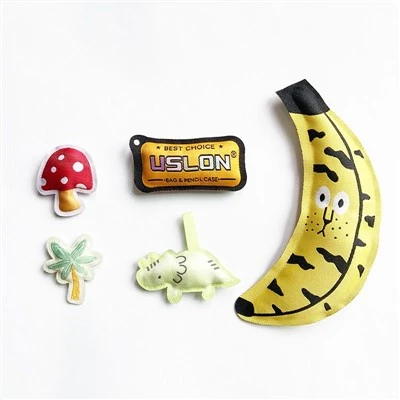
If you have questions about custom patches, bulk pricing, or attaching our sew-on padded applique patches, feel free to reach out to our team for a no-obligation chat about your project. We’re here to help make your patch journey as smooth as possible.
Woven Patch References
- "Sewing Basics: Applique for Beginners," SewDaily, 2022
- "Best Sewing Machines for Multiple Layers," Consumer Reports, 2023
- "Durability of Hand vs Machine Sewn Applique Patches," Craft Industry Alliance, 2021
Yiwu Lanying Garment Accessories Co., Ltd.
As one of the most professional sew on padded applique patch manufacturers and suppliers in China, we’re featured by quality products and good service. Please rest assured to wholesale premium sew on padded applique patch at competitive price from our factory. Customized orders are welcome.
Address: F1,NO.448, Majiaotang Village, Houzhai Street, Yiwu City, Zhejiang Province, China 322000
E-mail: zhangchunyingzi@126.com
WebSite: https://www.embroideredpatchfactory.com/
