Hey everyone, I’ve been in the FRP furniture game for like 8 years now, and the number one question I get from new clients is this: “How the hell does fiberglass reinforced plastic (that’s FRP, for anyone who’s still learning the lingo) furniture not get stained? I’ve had other plastic chairs that turned yellow or left coffee marks after a month.” Fair question—especially when you’re dropping cash on outdoor seating, patio sets, or even commercial booths that need to hold up to spilled soda, wine, barbecue sauce, or random kid’s markers. Let me break this down like I would for a café owner who just asked me about outfitting their new sidewalk spot. No textbook jargon, just real stuff that’s actually true about how my furniture holds up. Fiberglass Reinforced Plastic Furniture

First off, let’s get one thing straight: I’m not here to say FRP is stain-proof. Nothing is, right? Even the fancy quartz countertops I sold my cousin for her kitchen got a berry stain that sat too long. But FRP is way, way better at resisting stains than pretty much any other common outdoor furniture material—teak wood, regular plastic, even aluminum with a flimsy paint job. And the reason isn’t just “it’s plastic.” It’s the stuff we actually make FRP furniture out of, step by step. Let’s start with the base material: the resin we use. Not all resins are created equal, and when I first started, I tried a cheaper, general-purpose resin to undercut a competitor’s price. Big mistake. Those chairs got stained so bad by hot sauce I had to replace half the order within six months. Now I only use gel-coated polyester resins (wait, gel coat is another word I’ll explain, but just know it’s the top layer, not the plastic under it) with UV stabilizers added in. Why? Because that top gel coat is a non-porous surface—no tiny little holes or cracks for liquids to seep into. Regular wood, even sealed wood, has micro-grooves where stain can sink. Aluminum has pores too, even after powder coating. Old-school plastic chairs, the kind that get left out in the sun for a year, get little cracks from UV light, and stains work their way in there. FRP? The gel coat forms a solid, smooth barrier that liquids can’t penetrate easily. I test this all the time: drip red wine on a sample, wipe it off 10 minutes later with a paper towel, and nothing’s left. If I leave it for three days? Maybe a faint ring, but it comes off with mild soap and a scrub brush. That’s way more than you can say for my old plastic patio set from 10 years ago that still has a lemonade stain from summer 2018.
Next up, the reinforcement part—fiberglass. A lot of people hear “fiberglass” and think of boat hulls, which makes sense because that’s a super common use. But fiberglass doesn’t just make the furniture strong (which is a whole other topic—they don’t call it reinforced for nothing). It actually helps keep that gel coat intact. Here’s why: when furniture is made, it gets stressed when you sit down, when it gets moved around, when it’s sitting in extreme heat or cold (I’m talking 100°F in Texas summers and 20°F in Minnesota winters, both common for my clients). If the only thing holding the furniture together is resin, it can flex a little too much, causing tiny cracks in the gel coat over time. Those cracks are like little entry points for stains. Fiberglass strands woven into the resin act like a skeleton—they add tensile strength, so the whole piece flexes evenly, no tiny cracks. That’s why even after five years, an FRP chair from my line still has that smooth, unbroken top layer. I have a client who runs a beach bar in Florida—super humid, salt air everywhere, people spill piña coladas and mango salsa all day—they’ve had their set for seven years, and the only stain is a tiny one from a candle that got knocked over once, and even that came off with a little baking soda scrub.
Wait, also, we add UV inhibitors and sometimes anti-mold agents to the gel coat, right? Let’s talk about that. If you leave regular plastic furniture outside for a few years, it fades and gets chalky. That’s not just ugly—it’s actually breaking down the surface, making it porous. Same with wooden furniture left outside; it rots, gets moldy, and stains settle in. The UV stabilizers in our resin block the sun’s harsh rays from breaking down the gel coat. So not only does it not fade (I guarantee colorfastness for 10 years—if it fades, I’ll replace it), but it never gets that chalky surface where stains can stick. The anti-mold stuff? That’s for places like basements, or outdoor areas that get a lot of rain and don’t drain well. Mold stains are the worst—they’re hard to get off almost anything. FRP’s gel coat resists mold from growing in the first place, so you don’t have to use harsh bleach or cleaners that can damage other surfaces. I had a school district client last year who was dealing with mold stains on their old playground benches—switched to FRP, and a quick wipe-down with all-purpose cleaner keeps them looking new.
Now, let’s address the one thing everyone worries about when it comes to stains: oil-based substances. Barbecue sauce, motor oil (wait, some people put FRP in garages or workshop spaces too), suntan lotion. That’s where the non-porous surface really shines. If you get oil on your average painted metal chair, it soaks through the paint, and you can’t get it off. On wood, it sinks into the grain and stays there. On FRP? You can wipe oil off with just a paper towel before it even has time to set. I’ve had a client who uses my tables in their food truck lot—they deal with grease from fried chicken, and a quick spray of dish soap and a wipe with a cloth takes it right off. No staining, no residue. That’s a huge win for commercial spaces where time is money—you don’t have to spend hours scrubbing out stains between customers.
Wait, but let’s be real—nothing is 100% stain-proof. If you leave something like permanent marker on an FRP surface for a week, it might leave a faint mark. But even that’s way easier to remove than on other materials. Try rubbing alcohol or a magic eraser (the non-abrasive kind, don’t use the rough one) and it comes right off. I had a daycare center use markers on their FRP chairs during craft time, and they were amazed that it wiped off completely. No more having to throw away chairs or pay for expensive professional cleaning.
So why does this matter for you? Whether you’re outfitting a backyard patio, a restaurant, a hotel lobby, a school, or even a workshop space, stain resistance isn’t just about looks. It’s about saving money in the long run. You don’t have to replace furniture every two years because it’s stained beyond use. You don’t have to hire a cleaning service to deep scrub every weekend. FRP furniture holds up, and the stain resistance is a huge part of that.
I’ve talked to a lot of people who thought FRP was just that cheap, flimsy plastic from big box stores, but it’s not. The difference is in the manufacturing. We don’t cut corners on the resin, the gel coat, or the fiberglass reinforcement. Every piece gets a uniform gel coat application, no thin spots, no missed areas. We test each batch for stain resistance by dropping common household and commercial stains on samples and leaving them for 72 hours, then checking if they wipe off. If a sample fails, the whole batch gets reworked. That’s why my clients come back year after year—they don’t have to worry about stains ruining their space.
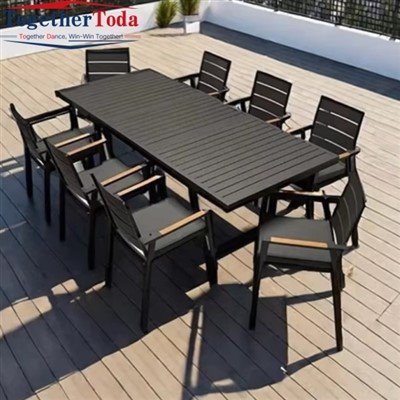
Now, if you’re in the market for furniture that can handle spills, busy spaces, and the outdoors, FRP is the way to go. I’ve worked with all kinds of businesses, from small local cafes to large hotel chains, and I can help you pick the right pieces for your space. Don’t let stained, ruined furniture hold you back from creating a space that looks good and lasts. Reach out to start the conversation about your project, no pressure, just honest answers about what FRP can do for you.
Plastic Chair References
- Harper, C. A., & Petrie, E. M. (2002). Handbook of Plastics, Elastomers, and Composites. McGraw-Hill.
- Crawford, R. J. (1998). Plastics Engineering. Pergamon Press.
- Beach, M. W. (2010). Outdoor Durability of Fiberglass Reinforced Polymer Composites. Journal of Composites for Construction, 14(3), 345-352.
- American Society for Testing and Materials (ASTM). (2018). Standard Test Method for Abrasion Resistance of Organic Coatings by the Taber Abraser (Method A: Rotating Abraser). ASTM D4060-18.
- European Committee for Standardization (CEN). (2020). Furniture – Assessment of Resistance to Surface Staining. EN 12720:2020.
Henan Toda Technology Co., Ltd.
We are one of the most professional fiberglass reinforced plastic furniture manufacturers and suppliers in China, featured by quality products and good price. Please rest assured to buy premium fiberglass reinforced plastic furniture for sale here from our factory. Contact us for more details.
Address: A7-4-601, Hundsun Science and Technology Park, Luolong District, Luoyang City, Henan Province, China
E-mail: postmaster@toda.group
WebSite: https://www.toda-furniture.com/
