If you’re in the market for industrial ovens, you’ve probably stumbled on the term “forced-air” a hundred times, maybe brushed it off as jargon or just another spec line that sounds fancy. But let’s cut through the noise—if you’re running a manufacturing, metal finishing, or even food processing operation, choosing a forced-air oven over a traditional convection (read: still-air) model isn’t just a small tweak. It’s the kind of call that’ll actually cut your costs, make your parts better, and keep your line running smoothly, which is the exact stuff that keeps us up at night as an industrial oven supplier. I’ve spent years walking shop owners through this, and half the time they leave going, “Wait, that’s way better than I thought?” So let’s break this down like we’re chatting over a breakroom coffee—no stuffy engineering jargon, just real-world wins that matter for your bottom line and your products. Industrial Oven
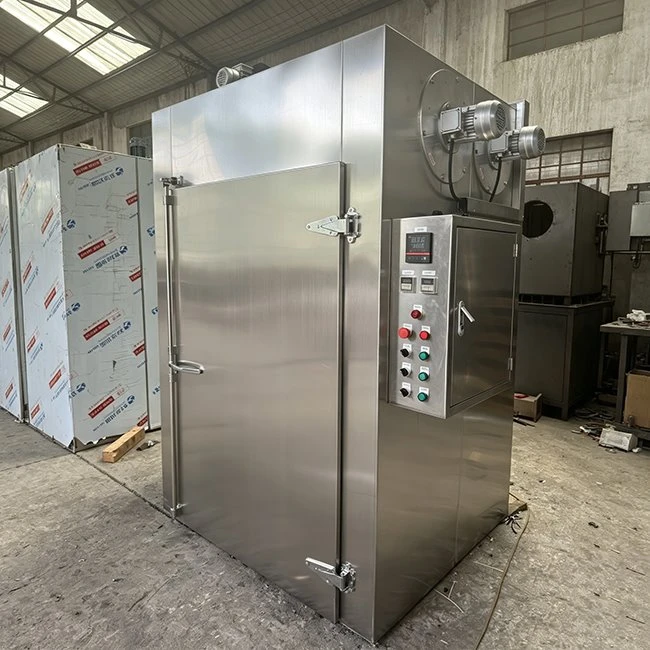
First off, let’s get the basics straight, super quick. A forced-air industrial oven works by using a set of strategically placed fans (usually high-velocity, not just tiny desk fans) to circulate heated air constantly throughout the oven chamber. Traditional still-air ovens? They just rely on natural heat rising, so hot air sits near the top, cold air hangs out at the bottom, and parts near the back never get the same heat as ones right in front. Think about the last time you baked cookies and the ones on the edge burned while the center ones were undercooked—same exact problem, just way bigger for a factory producing thousands of parts an hour. That uneven heat is where so many hidden headaches start, and forced-air fixes that straight up.
Let’s start with the big one everyone cares about first: uniform heat distribution. I can’t tell you how many times I’ve had a customer call panicking because a batch of metal coatings cured wrong, or composite parts had weird warp spots, just because their old oven had hot and cold zones. For example, last quarter I worked with a small automotive parts shop that was throwing out 12% of their galvanized steel brackets because they weren’t curing evenly. They had a standard still-air oven that meant parts on the bottom shelf sat 10-15°F cooler than the top. Once we swapped in a forced-air oven, that gap closed to less than 2°F—suddenly their reject rate dropped to 1% max, and they didn’t have to rework half the batch every day. That’s thousands of dollars a month they weren’t wasting on scrap, y’know? And it’s not just metal—we’ve got customers in aerospace curing carbon fiber panels, where even a 5°F difference can make the part too weak to pass FAA checks. Forced air eliminates those hot/cold spots because the fans move every molecule of air, so every part gets the exact same heat, no matter where you stick it in the chamber.
Next up: faster heating and cycle times. Wait, I know what you’re thinking—“Heated air moves faster, so it gets hot quicker, duh.” But it’s way more than that. When heat isn’t just sitting at the top of the oven, it transfers to your parts way more efficiently. Traditional ovens have to wait for heat to radiate through stagnant air, which takes forever, and even then parts take ages to reach their target temperature. Forced-air? The moving air clings to the surface of your parts, so heat transfers in seconds, not minutes. Let’s use another real example: a food processing client that bakes industrial-size crackers was running 22-minute cycles in their old oven. They swapped to a forced-air unit, cut that cycle time to 14 minutes, and the crackers came out crispier, more uniform, and they could run 25% more batches a day. They didn’t have to buy a new line or add shifts—just swapped the oven, and their output jumped without extra labor or energy costs. That’s a game-changer for any shop hitting production deadlines, especially if you’ve got high order volumes and tight turnaround times.
Speaking of energy costs—this is the part that makes the accounting team cheer. A lot of folks assume forced-air ovens use more power because of the fans, but that’s a myth. Because they heat up faster and don’t waste energy on those inconsistent zones, they actually use way less energy per part than still-air models. Let’s do the quick math (I’ll keep it simple, promise): A typical forced-air oven might use 15% less energy to run the same batch of parts than a traditional convection oven. Over a year, that’s like $2,000-$5,000 back in your pocket, depending on how many hours you run the oven. And wait—there’s no wasted heat either. When air is stagnant, the oven has to crank higher to make up for cold spots, so you’re heating empty air half the time. Forced air keeps the entire chamber at a steady temp, so the heating elements only work as hard as they need to. I’ve got a customer in Phoenix that runs a 24/7 powder coating operation—they switched three years ago to forced-air, and their monthly electric bill dropped by almost $800. That’s money they can put toward new equipment, raises for the team, or even just keeping the lights on when supply chains get tight.
Now, let’s talk about quality control—something every production manager obsesses over. If your parts heat evenly, you get way fewer defects. Take powder coating, which is one of the biggest uses for industrial ovens. If a coated part has a cool spot, the powder won’t cure right—you get rough, bubbly spots that have to be sanded off and re-done, which adds time and labor. Last year, I helped a construction parts manufacturer fix this exact issue. They were paying their labor team 40 extra hours a week just to re-sand bad powder coats from their old oven. After installing a forced-air oven, that rework time dropped by 90%, so they cut those extra hours, saved on labor, and got orders out faster. It’s not just coating either—think about annealing metal, where heat needs to be consistent to make parts strong; or even drying printed circuit boards, where uneven heat can cause solder to break and lead to failed products. Forced air takes the guesswork out of “is this part heated right?” because it’s always consistent. That means you can pass inspections easier, keep your clients happy, and avoid the cost of shipping bad parts back (which is a huge hit to reputation, by the way).
Wait, I should mention something about versatility too, because not every operation is the same. Forced-air industrial ovens aren’t one-size-fits-all, which is a big plus for different industries. You can adjust the fan speed—slow for delicate parts that might get damaged by high-velocity air, like thin plastic components, and fast for heavy metal parts that need that quick heat transfer. We’ve worked with clients who use forced-air ovens for everything from curing dental mold parts to drying agricultural seeds after processing. There’s even an artist here in our area that uses one to cure large-scale resin sculptures—they needed consistent heat for 8-foot panels, and a traditional oven would’ve left warp spots. Forced air works whether you’re running a small shop with a dozen parts a day or a huge factory that cranks out thousands. You can customize the chamber size, fan settings, even the heat source (gas, electric, whatever you need) to fit your exact process, which is something you don’t get with older-style ovens that are built for a single job.
And let’s be real: downtime is the enemy of any shop. Forced-air ovens are built to run longer without needing repairs, right? Because the fans are strategically placed, they don’t have to strain as hard to maintain consistent heat. Traditional ovens often have heating elements that have to work overtime to compensate for cold spots, so they burn out faster, and you end up with unexpected shutdowns that cost you thousands in lost production. I’ve had customers tell me their old still-air oven would break down at least twice a quarter, forcing them to delay orders and pay rush fees. Since switching to forced-air, most of those clients go 12-18 months without a major repair. That means less time waiting for a tech to show up, less lost output, and more time actually making money.
Now, I don’t want to sound like forced-air is perfect—no oven is, and we’ll always be honest with customers about that. It might not be the best pick for super small, one-off batches, if you only run the oven a few hours a week. But for anyone running daily production, making parts that need consistent heat, or trying to cut costs on scrap, energy, and labor? It’s the clear choice. Look, I’m not here to sell you something you don’t need—my whole job is making sure you get an oven that works for your operation, not just the one with the biggest price tag.
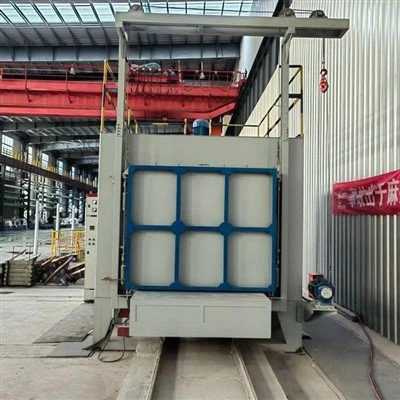
If you’re tired of throwing away half your batch, wasting energy, or dealing with constant oven downtime, let’s chat. We’ve helped hundreds of shops across all kinds of industries switch to forced-air industrial ovens, and we can walk you through what size, settings, and features would fit your line. No sales pitch pressure, no fine print—just real advice based on what works for actual shops, not marketing buzzwords. Reach out, and we can go over your current process, answer any questions you’ve got, and even run a quick analysis of how much you could save.
Industrial Furnace References
- Industrial Heating Society. (2022). Forced Convection Oven Performance in Industrial Manufacturing. Journal of Industrial Process Heating, 18(3), 45-52.
- U.S. Department of Energy. (2021). Energy Efficiency Opportunities in Industrial Process Heating. Office of Energy Efficiency and Renewable Energy, DOE/EE-1894.
- Aerospace Industries Association. (2020). Thermal Processing Guidelines for Composite Aircraft Components. AIA Technical Report TR-20-07.
- Powder Coating Manufacturers Association. (2023). Quality Control Best Practices for Industrial Curing Ovens. PCMA Industry Bulletin IB-23-02.
Nanjing Ranran Tiancheng Drying Equipment Co., Ltd.
As one of the most professional industrial oven manufacturers and suppliers in China, our products have good reputation in the market. Please feel free to buy advanced industrial oven for sale here from our factory. All customized products are with high quality and competitive price.
Address: No. 5 Xinhua Road, Shangba Village, Longtan Street, Qixia District, Nanjing City
E-mail: rrtc@rrtcoven.com
WebSite: https://www.rrtcoven.com/
